When dealing with reduced bone density, finding safe and effective ways to exercise is paramount, and the search for the best vibration plate osteoporosis solution often leads to promising results. Vibration therapy offers a unique, low-impact method to stimulate bone formation and improve muscle strength without the risks associated with high-impact activities like running or heavy weightlifting. By standing on a platform that delivers gentle, rapid oscillations, users can subject their skeletal system to beneficial mechanical stress.
In this Best Vibration Plate Osteoporosis Reviews guide, we will explore the top-rated vibration plates on the market, ensuring you find a device that supports your bone health journey safely and effectively.
Top 10 Best Vibration Plate Osteoporosis
Image | Name | Key Feature | Ratings | Price |
|---|---|---|---|---|
 |
| (3460 Reviews) | ||
 |
| (1691 Reviews) | ||
 |
| (224 Reviews) | ||
 |
| (2176 Reviews) | ||
 |
| (1140 Reviews) | ||
 |
| (903 Reviews) | ||
 |
| (221 Reviews) | ||
 |
| (570 Reviews) | ||
 |
| (115 Reviews) | ||
 |
| (87 Reviews) |
Best Vibration Plate Osteoporosis Review
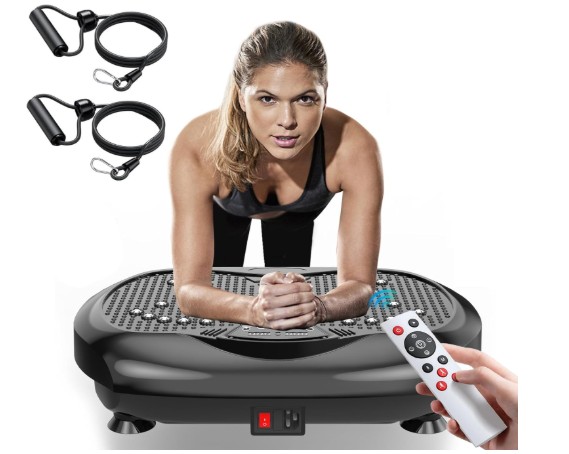
Natini Vibration Plate Exercise Machine
The Natini Vibration Plate is frequently highlighted as a versatile and safe option for home use, striking a balance between power and gentleness that is crucial for therapeutic applications. It features a robust motor capable of delivering consistent vibrations across a wide range of speeds, allowing users to start with very mild stimulation and gradually increase intensity as their body adapts.
The platform is designed with a textured, anti-slip surface to ensure secure footing, which is essential for preventing falls during use. Additionally, it comes equipped with detachable resistance bands, offering the ability to engage the upper body and core simultaneously for a more comprehensive workout. This versatility makes it an excellent choice for those who want a machine that can grow with their fitness levels while prioritizing safety.
Pros:
- Adjustable speed range allows for gentle progression
- Textured non-slip surface enhances safety
- Includes resistance bands for upper body toning
- Compact design is easy to store
Cons:
- Remote control signal can be intermittent
- Power cord is somewhat short for some room layouts
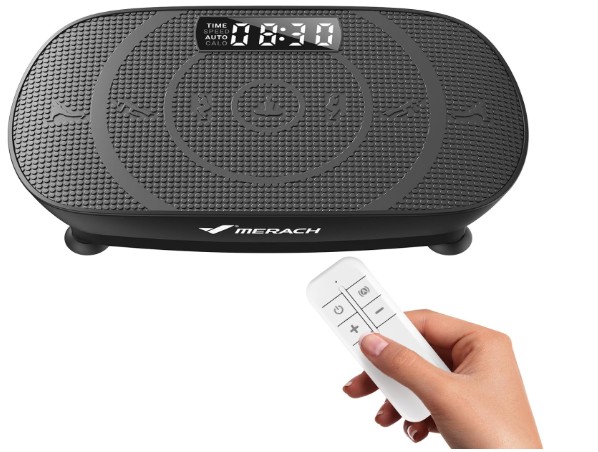
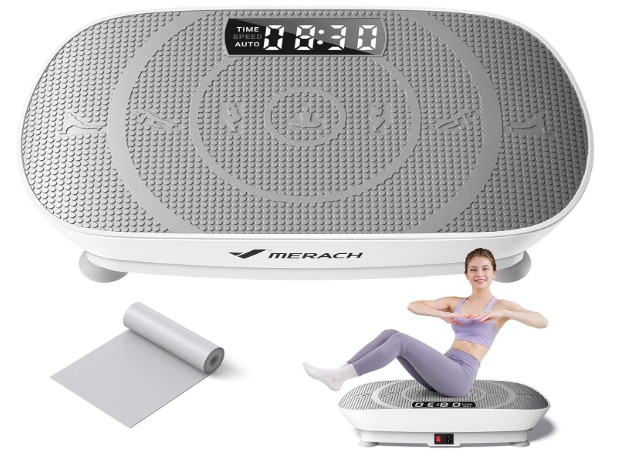
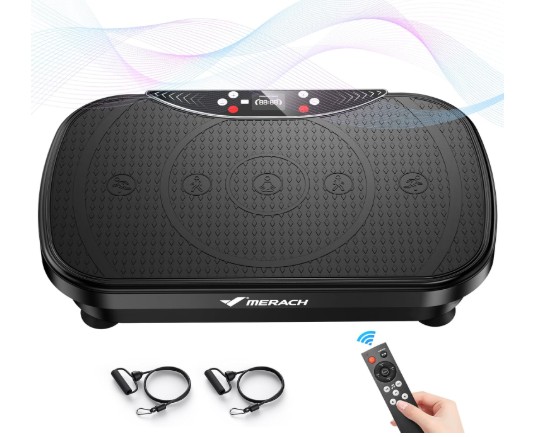
Merach has engineered a machine that focuses heavily on stability and user comfort, positioning it as a strong candidate for the best vibration plate osteoporosis management tool. The device boasts a wider-than-average base, which provides a significant advantage in stability, reducing the anxiety of tipping over during use. It utilizes a silent drive motor that produces a smooth oscillating motion, mimicking the natural sway of walking rather than a harsh, vertical buzz, which is often easier on the joints. The large LED display is bright and easy to read from a standing position, and the intuitive interface ensures that even those who are not tech-savvy can operate it without frustration. Its robust build supports a higher weight capacity, adding to the overall sense of security.
Pros:
- Wide base offers superior stability
- Smooth, quiet motor operation
- Large, easy-to-read LED display
- High weight capacity
Cons:
- Heavier unit is difficult to move alone
- Fewer pre-programmed modes than competitors
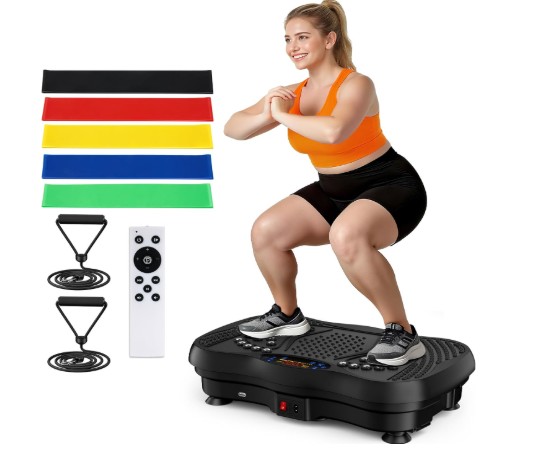
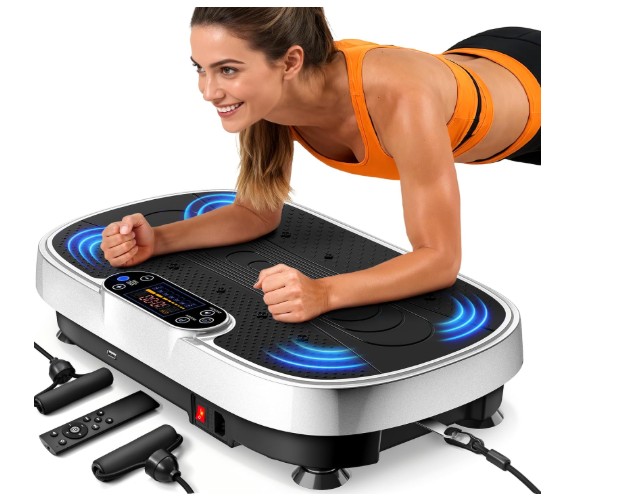
The Glylf Vibration Plate distinguishes itself with a focus on holistic wellness, incorporating features that target circulation and lymphatic drainage alongside bone health. It offers highly customizable vibration settings, including ultra-low intensity options that are perfect for beginners or those with significant bone fragility. The platform provides ample space for a comfortable stance, which aids in maintaining balance during the session. A unique feature is the integrated Bluetooth speaker system, allowing users to sync their devices and listen to relaxing music or guided meditation, making the daily routine more enjoyable. The unit is grounded by heavy-duty rubber suction feet that anchor it firmly to hard floors, preventing any unwanted sliding.
Pros:
- Precise low-intensity settings for gentle therapy
- Spacious platform for comfortable positioning
- Integrated Bluetooth speakers
- Strong suction feet prevent sliding
Cons:
- Bluetooth speakers lack high-fidelity sound
- Instruction manual is basic
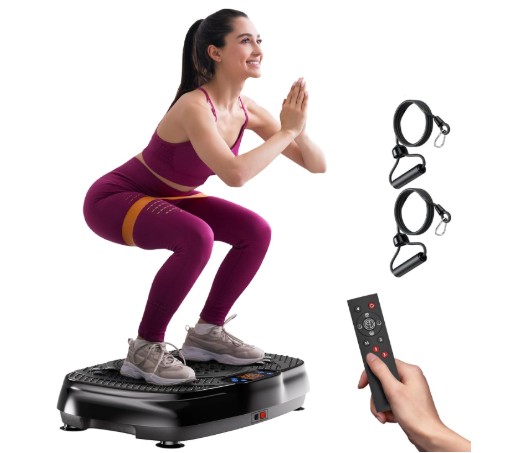
Tisscare offers a specialized design that prioritizes ergonomics and foot health, which translates effectively into a safe whole-body vibration experience. The platform is contoured to match the natural arch of the foot, helping to align the ankles and knees properly, a critical consideration for protecting joints while using a vibration plate. It includes built-in massage nodes that stimulate blood flow in the soles of the feet while the vibrations travel up the legs. Notably, it comes with a wrist-wearable remote control, a thoughtful safety feature that eliminates the need to bend over to change settings, significantly reducing fall risks for older adults.
Pros:
- Ergonomic design supports proper joint alignment
- Wrist-wearable remote improves safety
- Massage nodes enhance foot circulation
- Whisper-quiet operation
Cons:
- Contoured shape may feel strange to some users
- Higher price point than basic models
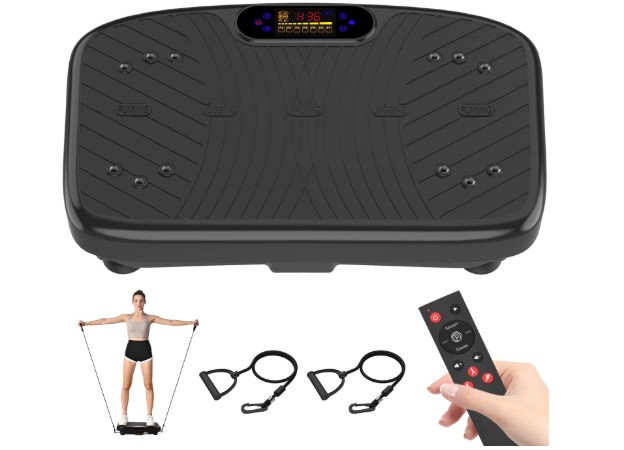
For those seeking an effective solution on a budget, the GDCOO Vibration Plate offers reliable performance without unnecessary frills. It utilizes linear vibration technology, which is a standard method for bone stimulation, packaged in a lightweight and portable frame. Despite its lighter weight, it is equipped with powerful suction cups at the base to ensure it remains planted firmly during operation. The machine is straightforward to use with simple controls, making it an ideal choice for seniors who want to focus purely on the therapy without navigating complex digital menus. It is easy to tuck away under furniture when not in use, making it great for smaller living spaces.
Pros:
- Affordable entry-level price
- Lightweight and easy to store
- Strong suction cups for stability
- Simple, intuitive interface
Cons:
- Motor is less powerful than premium models
- Plastic construction feels less durable
Best Vibration Plates Osteoporosis – Buying Guide
Vibration Motion Type
When selecting a machine, the type of movement is the most critical factor. Pivotal or oscillating motion (teeter-totter style) is generally recommended because it mimics the natural movement of the hips during walking. This type of motion is lower impact and usually more comfortable for the spine compared to vertical (up-and-down) vibration, which can be jarring if not used with proper form. Some machines offer 3D or tri-planar motion, but these should be approached with caution as they can be intense; oscillating platforms are the safest starting point for bone health.
Frequency Range (Hertz)
The frequency, measured in Hertz (Hz), determines how fast the plate vibrates per second. Research on bone density often cites frequencies between 15 Hz and 30 Hz as being therapeutic. It is important to choose a machine that allows you to adjust the speed to fall within this range. Frequencies that are too low may not provide enough stimulus to the bone cells, while frequencies that are too high can cause discomfort or head vibration. Look for a machine with granular speed controls so you can find the "sweet spot" that feels challenging but comfortable.
Safety Features and Stability
For users with osteoporosis, the risk of falling must be minimized. A machine with a wide, stable base is preferable to a narrow one. Look for non-slip rubber surfaces on the plate itself to ensure your feet stay planted. If you have balance issues, consider models that come with upright handlebars or ensure you place the flat plate unit near a sturdy support like a wall or a heavy chair. A remote control is also a vital safety feature, as bending down to adjust a timer on the floor can cause dizziness.
Motor Quality and Noise Level
Since you will likely use this machine in a living area, noise level is a practical consideration. High-quality DC motors tend to run quieter and smoother than cheaper alternatives. A smooth motor is crucial not just for your ears, but for your joints; a jerky or stuttering motor can cause micro-trauma to your knees and hips. Check user reviews specifically for comments on "smoothness" and "quiet operation" to ensure the machine will be a pleasant addition to your daily routine rather than a nuisance.
Weight Capacity
Even if you do not weigh significantly more than average, a machine with a higher weight capacity (usually 265 lbs and up) is often a better investment. A higher weight rating typically indicates a sturdier frame and a more powerful motor that won't strain under load. A machine operating well within its limits will last longer and provide a consistent vibration, whereas a machine near its max capacity may overheat or vibrate inconsistently.
Best Vibration Plate Machine Osteoporosis – Relevant Topics
Understanding Wolff's Law
The scientific principle behind vibration therapy is known as Wolff's Law. This biological rule states that bones adapt to the loads under which they are placed. If loading increases, the bone will remodel itself to become stronger to resist that loading. The best vibration plate osteoporosis solutions work by increasing the gravitational load (G-force) on your skeleton through rapid acceleration. This tricks your body into thinking you are carrying a heavier load, stimulating osteoblasts (bone-building cells) to lay down new bone tissue without the risks associated with heavy weightlifting.
Correct Posture is Mandatory
Simply standing on the machine is not enough; how you stand dictates safety. You must never lock your knees while the machine is running. Locked knees create a rigid column that transmits vibration directly to the skull, which can cause headaches or dizziness. Instead, adopt an "athletic stance": feet shoulder-width apart, knees slightly bent, and core engaged. This posture forces your muscles to dampen the vibration, ensuring the energy is absorbed by the leg bones and hips—the areas most prone to osteoporotic fractures—rather than your head.
The Role of Nutrition
Vibration therapy is a mechanical trigger, but it cannot build bone out of thin air. To see results, your body needs the raw materials for construction. This means adequate intake of Calcium, Vitamin D, and protein is essential. Without these nutrients, the stimulation from the machine will not result in increased bone density. It is highly recommended to coordinate your vibration therapy routine with a nutritional plan approved by your doctor to ensure you are maximizing the potential benefits.
Contraindications and Who Should Avoid It
While low-impact, vibration therapy is not safe for everyone. Specific conditions are contraindications for use. These typically include pregnancy, active deep vein thrombosis (blood clots), pacemakers, severe cardiovascular disease, and acute hernias. Additionally, individuals with recent joint replacements (hips or knees) should usually wait until full healing has occurred (often 6 months) and receive clearance from their surgeon. People with severe, advanced osteoporosis should also consult a specialist, as very intense vibration could theoretically pose a fracture risk.
Vibration vs. Walking
A common question is whether a vibration plate replaces the need for walking. The answer is no; they are complementary therapies. Walking provides cardiovascular conditioning, fresh air, and functional mobility that a stationary plate cannot offer. The vibration machine is best used as a supplement to "supercharge" your bone stimulation, especially on days when bad weather prevents you from going outside. It adds a different type of load—high frequency, low magnitude—that walking does not provide, making them a perfect pair for comprehensive health.
Best Vibration Plate Osteoporosis – FAQ
Can vibration plates really help with osteoporosis?
Yes, several studies suggest that low-intensity whole-body vibration can help maintain bone density and reduce the rate of bone loss in postmenopausal women and older adults. While it may not drastically "regrow" bone like a pharmaceutical might, it is an effective tool for preventing further deterioration and improving muscle strength, which protects bones from fractures.
How often should I use the machine?
Consistency is key. Most protocols recommend using the machine daily or at least 3-4 times per week. Sessions do not need to be long; 10 to 15 minutes is generally sufficient. It is better to have short, frequent sessions than infrequent, long ones. Always start with shorter durations (e.g., 5 minutes) and build up as your body adapts.
Do I need to wear shoes on the vibration plate?
You can use the machine barefoot, in socks, or with athletic shoes. Many therapists recommend going barefoot or wearing socks to improve proprioception (the ability to sense your body's position), which helps with balance. However, if you have foot problems like plantar fasciitis or need arch support, wearing clean, supportive sneakers is perfectly acceptable and safe.
Will the vibration loosen my dental fillings?
This is a common concern but is largely a myth for the low-intensity machines used for therapy. As long as you maintain proper posture (knees bent) and do not rest your chin or jaw on the machine, the vibration reaching your head should be minimal. If you feel your teeth chattering, you are likely locking your knees or the intensity is set too high.
Does it help with balance and falls?
Absolutely. One of the major benefits of using the best vibration plate osteoporosis machine is fall prevention. The vibration forces your body to make constant micro-adjustments to stay upright, which strengthens the stabilizer muscles in your ankles, legs, and core. Improved balance significantly reduces the risk of falling, which is the primary cause of fractures in people with osteoporosis.
Conclusion
Investing in the best vibration plate osteoporosis solution can be a powerful, proactive step toward preserving your independence and skeletal health. Whether you choose the versatile Natini, the stable Merach, or the ergonomic Tisscare, the goal is consistent, safe stimulation. By combining this technology with proper nutrition and medical guidance, you can effectively combat bone loss and improve your stability. Remember to start slowly, prioritize proper form, and listen to your body to achieve the best possible results.