Walking pads have revolutionized how people integrate fitness into their daily lives. For overweight individuals, who may face unique challenges when embarking on their fitness journeys, choosing Best Walking Pad for Fat People tailored to their needs is vital. Walking pads are compact, versatile, and easy to use, making them an excellent option for individuals looking to lose weight, stay active, or improve overall health without leaving home.
This blog will guide you through the Best Walking Pad for Fat People on the market, a detailed buying guide to help you make an informed decision, related topics of interest, and answers to common questions. By the end, you’ll have all the tools needed to make a choice that best supports your wellness goals.
Best Walking Pad for Fat People
Image | Name | Key Feature | Ratings | Price |
|---|---|---|---|---|
 |
| (252 Reviews) | ||
 |
| (1691 Reviews) | ||
 |
| (1242 Reviews) | ||
 |
| (203 Reviews) | ||
 |
| (69 Reviews) | ||
 |
| (1616 Reviews) | ||
 |
| (811 Reviews) | ||
 |
| (1381 Reviews) | ||
 |
| (201 Reviews) | ||
 |
| (288 Reviews) | ||
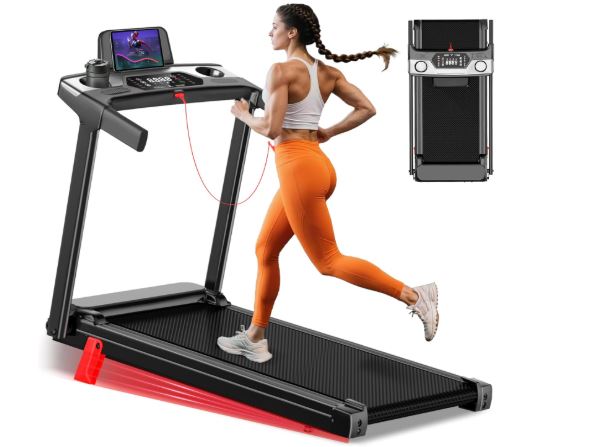 |
| (504 Reviews) |
Best Walking Pad for Fat People Review
When choosing a walking pad designed for higher weight capacities, durability and performance are paramount. Below are five highly-rated options available on Amazon that cater to overweight individuals, each reviewed in depth to help you evaluate.
1. REDLIRO Under Desk Treadmill
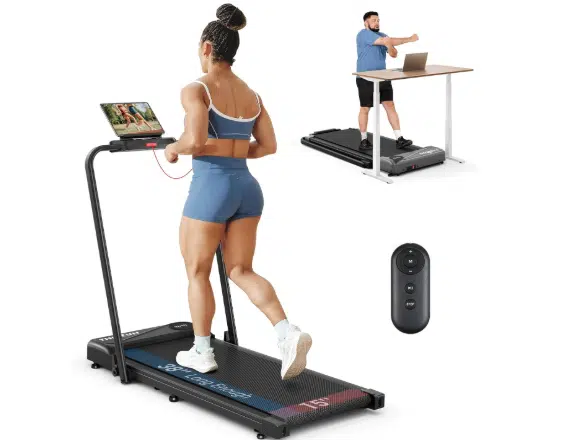
The REDLIRO Under Desk Treadmill is an excellent choice for those who want a low-impact fitness tool that fits seamlessly into small spaces. Constructed for durability, it boasts a maximum weight capacity of 265 pounds, making it suitable for overweight users. Its design allows for convenient storage, as it is lightweight and foldable. Furthermore, the LED display tracks key performance metrics, including speed, calories burnt, and distance traveled.
Pros
- Space-saving and foldable design.
- Silent motor operation.
- Dual exercise modes for walking and jogging.
Cons
- Weight capacity is slightly lower than some alternatives.
- May not be suitable for running.
2. Goplus 2-in-1 Folding Treadmill
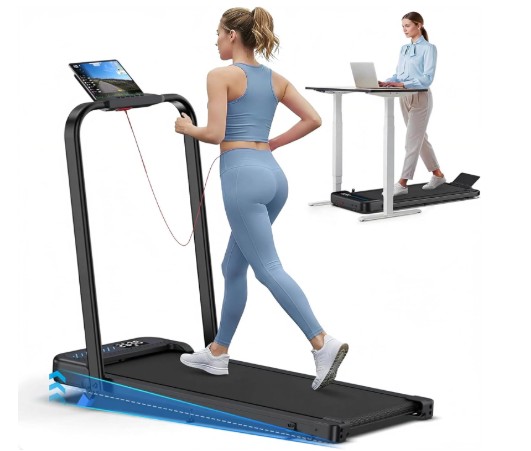
The Goplus 2-in-1 Folding Treadmill stands out with its dual functionality for walking and running. With a weight capacity of up to 265 pounds, it is designed to offer robust support and a comfortable experience for larger users. Its shock-absorbing belt cushions impact, reducing joint strain. The treadmill features a remote control for effortless speed adjustment and a spacious walking area.
Pros
- Dual-use for walking and running.
- Shock-absorbing belt enhances comfort.
- Easy-to-use remote control.
Cons
- Heavier than many walking pads.
- Loud operation at higher speeds.
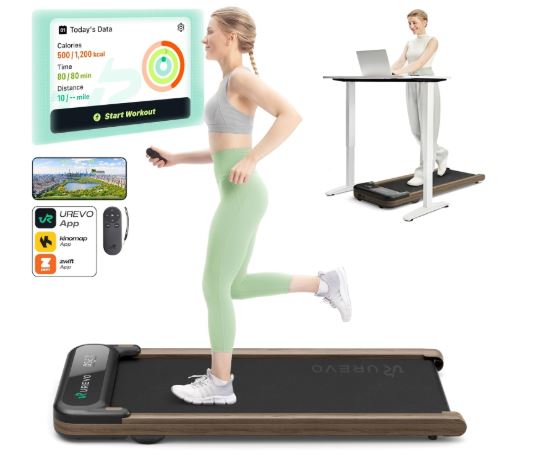
3. UREVO 2-in-1 Under Desk Treadmill
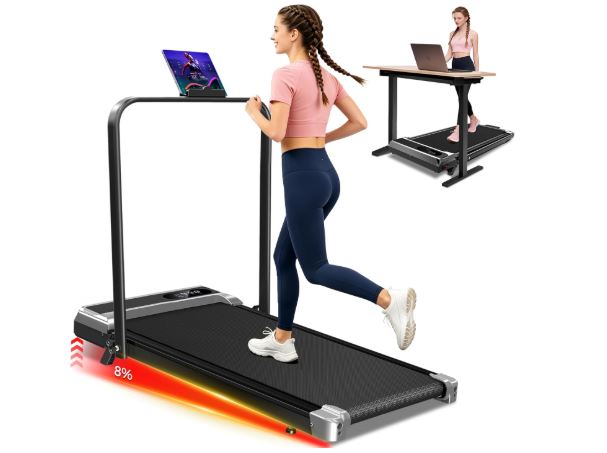
The UREVO 2-in-1 Under Desk Treadmill is a sturdy and stylish option suitable for overweight users up to 265 pounds. This treadmill features a wide running belt, providing extra stability and a spacious surface to accommodate different gaits. It has an ultra-quiet motor that allows for walking or running without disturbing others, making it great for home or office use.
Pros
- Large running belt for stability.
- Compact and easy to store.
- Ultra-quiet motor operation.
Cons
- Limited advanced tracking features.
- Smaller weight capacity compared to heavy-duty options.
4. Egofit Walker Pro Desk Treadmill
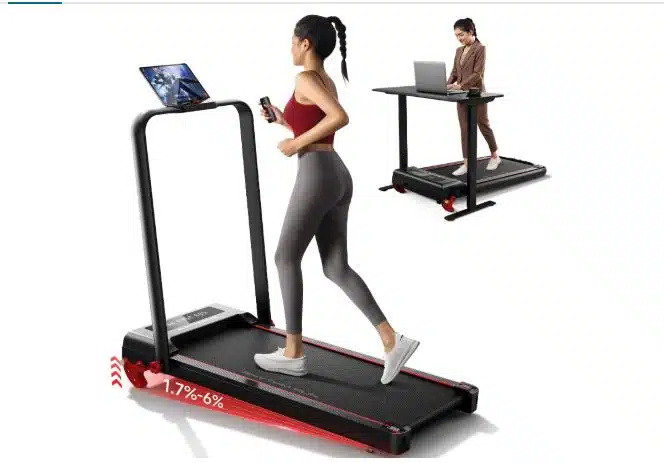
The Egofit Walker Pro Desk Treadmill is compact, lightweight, and powerful, making it another suitable contender for overweight individuals. With its minimalist, under-desk design, the Walker Pro allows you to multitask seamlessly while staying active. Additionally, it provides a smooth and steady walking experience, perfect for beginners or those preferring low-impact exercises.
Pros
- Ultra-compact and lightweight.
- Perfect for multitasking at work.
- Smooth, steady performance.
Cons
- Lower weight capacity (under 300 pounds).
- Smaller walking surface area.
5. RHYTHM FUN Under Desk Treadmill
The RHYTHM FUN Under Desk Treadmill is designed for both comfort and functionality, with a weight capacity of up to 265 pounds. It features a shock absorption system that reduces noise and impact on joints. The spacious, non-slip walking belt provides further comfort and safety. Its app integration also allows users to sync performance stats for better tracking and progress monitoring.
Pros
- Built-in app for tracking performance.
- Non-slip, shock-absorbing belt.
- Whisper-quiet operation.
Cons
- Assembly may require assistance.
- Limited incline options.
Best Walking Pad for Fat People - Buying Guide
Choosing the right walking pad requires careful consideration to ensure safety, comfort, and long-term reliability. Below, we break down the essential factors to evaluate before making your purchase, ensuring your investment supports your fitness journey effectively.
1. Maximum Weight Capacity
The most crucial feature when selecting a walking pad is its weight capacity. For added durability and peace of mind, choose a model that supports at least 10–20% more than your current weight. This extra margin ensures the motor and frame can handle regular use without strain. Models such as the RHYTHM FUN and Goplus walking pads typically support weights of up to 265 pounds, with some premium units exceeding this range to accommodate a broader user base. For heavier individuals, always check the manufacturer’s specifications to avoid reducing the device's lifespan or compromising safety.
2. Size and Portability
Compactness and portability are essential for users with limited living spaces. A slim, foldable design allows you to tuck your walking pad under a bed, into a closet, or even against a wall when not in use. Options like the REDLIRO and Egofit Walker Pro are specifically designed for small spaces, offering a sleek, space-saving solution without compromising performance. If you plan to move your walking pad frequently, look for lightweight models with built-in wheels for easy transport.
3. Durability and Build Quality
Durability is a vital consideration, especially for heavier users. Look for walking pads with a sturdy steel frame, high-quality non-slip belts, and solid construction to ensure your equipment can withstand regular use. A robust build also reduces the risk of wear and tear, ensuring your walking pad lasts for years. Prioritize models with shock-absorbing technology, as this minimizes joint strain and improves overall safety during workouts.
4. Belt and Walking Surface Area
A wider belt is crucial for overweight individuals, as it provides greater stability and comfort during use. A narrow belt may cause imbalance or discomfort, especially for users with a wider stride. To ensure a smooth and safe walking experience, check the dimensions of the walking surface and confirm it matches your natural stride length. Wider belts also reduce the risk of stepping off the sides during use, making your workout more enjoyable and worry-free.
5. Performance and Motor Power
The motor is the heart of any walking pad, and an underpowered motor may overheat or struggle under stress. For heavier users, it’s essential to select a walking pad with sufficient horsepower (HP) to handle your weight and provide smooth, reliable performance. Motors with 1.5 HP or more are generally recommended for overweight individuals, especially if you plan to use your walking pad frequently. Additional features like speed customization and incline adjustment can enrich your workout, allowing you to tailor the intensity to your fitness level and goals.
Best Walking Pads for Heavier Users - Relevant Topics
Whether you're just starting your fitness journey or looking for a low-impact workout solution, these related topics may also interest you:
Benefits of Walking for Weight Loss
Walking is one of the most effective low-impact exercises for weight loss. It boosts metabolism, increases calorie burn, and strengthens your cardiovascular system, making it an excellent choice for heavier individuals. It also helps lower stress, improve mood, and support better sleep, all of which play a role in maintaining a healthy weight. Because walking is easy to scale, you can start with short, gentle sessions and build up as your stamina improves. Over time, you can add incline, pick up your pace, or extend your sessions to keep challenging your body and avoid plateaus.
Alternatives to Running for Overweight People
Running can be hard on the joints, but there are plenty of great alternatives! Walking, swimming, and cycling are all joint-friendly exercises that provide excellent results without the risk of injury. Water-based workouts are especially helpful because the buoyancy takes pressure off your knees, hips, and ankles. Meanwhile, stationary bikes and walking pads let you control your pace and intensity from the comfort of home. Rowing machines and elliptical trainers are also worth trying, as they work multiple muscle groups while keeping impact on your joints to a minimum.
How to Create a Home Gym for Plus-Size Individuals
Transform your home into a functional workout space with equipment designed for varying fitness levels. Options like walking pads, resistance bands, and adjustable dumbbells make it easy to stay active without leaving your home. When choosing equipment, check weight capacities and look for sturdy frames, and make sure you have enough clear floor space to move comfortably. A supportive mat, a good fan, and a water bottle within reach can make your space even more inviting. Good lighting, a sturdy chair for resting between sets, and a speaker or screen for music or workout videos can also help you enjoy your space and stick with your routine.
Top Tips for Starting an Exercise Routine as an Overweight Beginner
Starting small is key. Set realistic goals, stay consistent, and celebrate milestones along the way. Build confidence by beginning with gentle workouts like walking, and gradually increase your intensity over time. Tracking your progress in a journal or app can keep you motivated, and scheduling workouts at the same time each day helps turn exercise into a lasting habit. Don't forget to listen to your body and take rest days when you need them. It can also help to find a workout buddy or an online community, since sharing your goals with others adds accountability and encouragement on the days when motivation dips.
Safety Tips for Overweight People Using Fitness Machines
Safety first! Always wear proper footwear, warm up before exercising, and choose machines with higher weight capacities to ensure stability. Before each workout, check that the machine is on a level surface and that the belt and handrails are secure. If you feel dizzy, short of breath, or experience pain, slow down or stop. Following these guidelines will help you stay safe and injury-free while working out. If you have any existing health conditions or concerns, it's a good idea to talk to your doctor before starting a new exercise program, and to cool down with some gentle stretching afterward.
Best Walking Pad for Heavier Users - FAQ
What is the ideal walking pad weight capacity for overweight people?
It's best to choose a walking pad with a maximum weight capacity that's at least 10–20% higher than your body weight. This ensures the machine can handle regular use while maintaining durability and performance. A higher capacity also means less strain on the motor and frame, which can extend the life of your walking pad and keep the belt running smoothly. Remember to account for any weights you may carry while walking, such as a backpack or hand weights, when comparing the listed capacity.
Are walking pads safe for joint health in overweight individuals?
Yes, many walking pads are designed with shock-absorbing belts that minimize impact on your joints. This makes them a safer alternative to high-impact exercises like running, especially for overweight users. For the best results, wear supportive shoes and keep a steady, comfortable pace, particularly when you're first getting started. If you have a pre-existing joint condition, such as arthritis, check with your healthcare provider about the right duration and intensity for you.
Can walking pads help with weight loss?
Absolutely! Regular use of walking pads can increase calorie burn and support weight loss when paired with a healthy diet. They're a great way to integrate consistent exercise into your daily routine. Since you can use them at home or even at your desk, it's easier to add extra steps throughout the day without rearranging your schedule. Even a few short walks between meetings or while watching TV can add up to thousands of extra steps each week.
What features should overweight users prioritize?
Heavier users should focus on high weight capacity, sturdy construction, wide walking surfaces, and powerful motors. These features ensure stability, safety, and efficient performance during workouts. It's also worth looking for a cushioned belt, a remote control or easy-to-reach controls, and a safety key that stops the belt immediately in an emergency. A quiet motor is another useful feature, especially if you plan to use your walking pad in an apartment or while working from home.
How often should I use my walking pad as a beginner?
Start with 15–20 minutes of walking daily and gradually increase the duration as your endurance improves. Consistency is key, so aim to incorporate it into your routine for long-term results. Once this feels comfortable, try adding five minutes every week or splitting your walking into shorter sessions throughout the day to reach your goals. On days when you feel sore or tired, a slower, shorter walk is still better than skipping altogether.
By considering these factors and tips, you can confidently select the perfect walking pad to support your fitness goals while ensuring safety and comfort. With the right machine and a steady routine, you'll be well on your way to building healthy habits that last. Take it one step at a time, celebrate your progress, and enjoy the journey toward a healthier, more active you.
Take the First Step Toward a Healthier You
Finding the Best Walking Pad for Fat People as an overweight individual doesn’t have to be daunting. By choosing a sturdy, reliable model and following this guide, you can take significant strides toward a more active lifestyle. Remember, every step counts!