Backward walking on a treadmill is gaining popularity as a unique and effective way to improve balance, strengthen muscles, and enhance overall fitness. Unlike traditional forward walking, backward walking engages different muscle groups, particularly the quadriceps, calves, and tibialis anterior, making it an excellent choice for rehabilitation and injury prevention. Many athletes and fitness enthusiasts incorporate backward walking into their routines to improve coordination and reduce the impact on joints. However, not all treadmills are designed to accommodate this type of movement safely.
Choosing the Best Treadmill for Backwards Walking requires careful consideration of features such as handrails, belt width, incline options, and speed settings. In this guide, we will explore the Best Treadmill for Backwards Walking, provide an in-depth buying guide, discuss relevant topics, answer frequently asked questions, and conclude with key takeaways to help you make an informed decision.
Top 10 Best Treadmill for Backwards Walking
Image | Name | Key Feature | Ratings | Price |
|---|---|---|---|---|
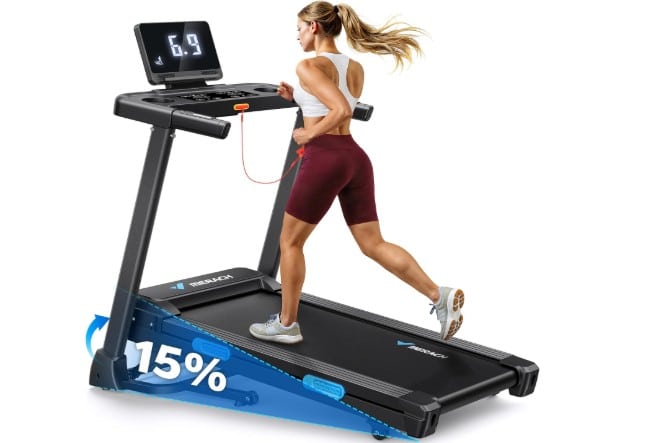 |
| (502 Reviews) | ||
 |
| (393 Reviews) | ||
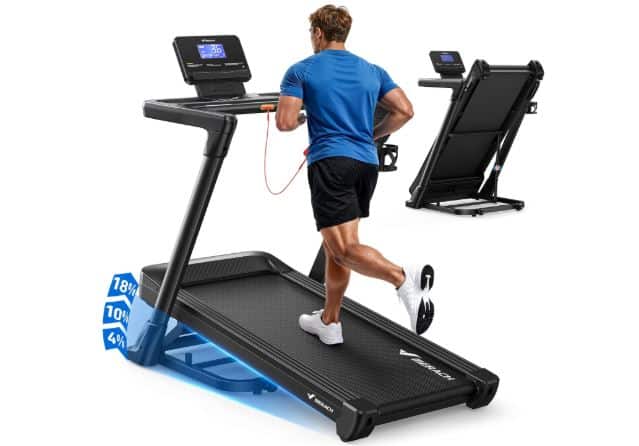 |
| (178 Reviews) | ||
 |
| (52 Reviews) | ||
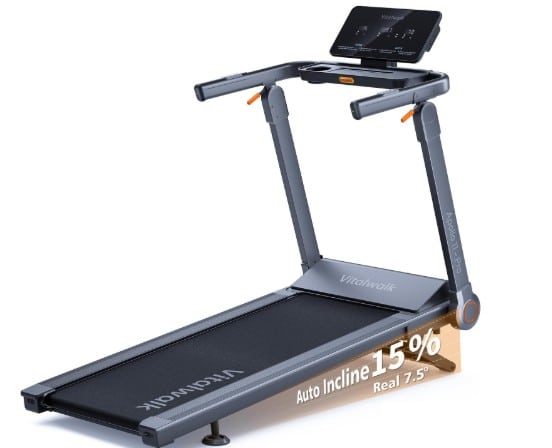 |
| (223 Reviews) | ||
 |
| (252 Reviews) | ||
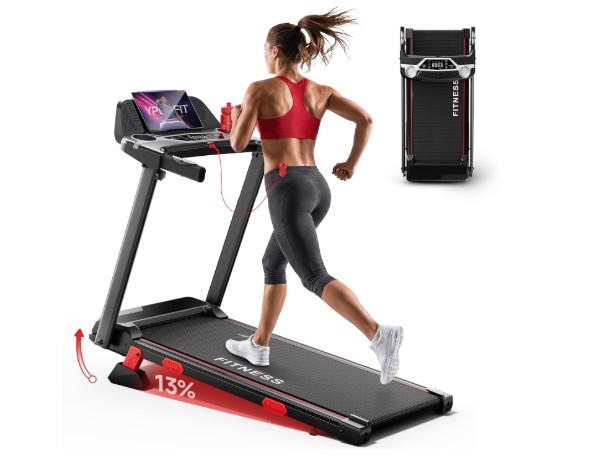 |
| (3 Reviews) | ||
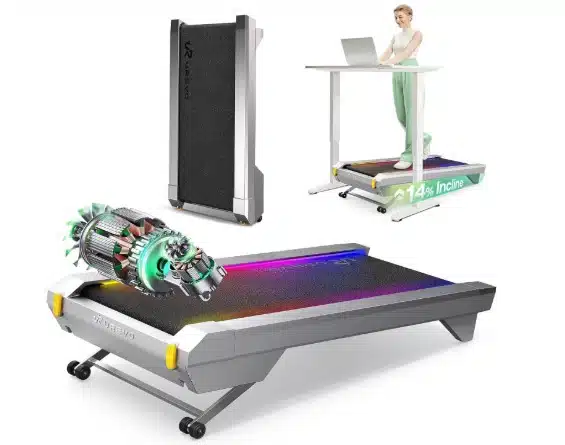 |
| (1381 Reviews) | ||
 |
| (31771 Reviews) | ||
 |
| (551 Reviews) |
Best Treadmill for Backwards Walking Reviews
After researching various options, we have selected five of the best treadmills for backward walking based on their features, user reviews, and availability on Amazon.
1. Redliro Walking Treadmill
The Redliro Walking Treadmill is an excellent choice for those looking for a safe and reliable treadmill for backward walking. Designed with seniors in mind, this treadmill features extended handrails that provide extra support, ensuring stability during use. The six-layer thickened running belt and shock absorption system protect the knees, making it a comfortable experience. Additionally, the treadmill includes an easy-to-operate LCD display and 12 preset modes for varied workouts.
Pros:
- Extended handrails for added stability
- Shock absorption system for knee protection
- Foldable design for easy storage
Cons:
- Armrest may feel restrictive for some users
- Assembly can be challenging
2. Kotia Manual Treadmill
The Kotia Manual Treadmill is a compact and foldable option that works well for backward walking. As a non-electric treadmill, it allows users to control their pace naturally, making it ideal for those who prefer a more controlled workout. The treadmill features a 10-degree incline, which enhances muscle engagement and provides a challenging workout.
Pros:
- Non-electric design for natural movement
- Compact and foldable for small spaces
- Sturdy construction for durability
Cons:
- Limited speed options
- Requires manual effort to maintain pace
3. Sunny Health & Fitness SF-T1407M
This treadmill is designed for walking and features a non-electric mechanism that allows users to control their movement. The compact design makes it suitable for home use, and the sturdy frame ensures stability during backward walking. The treadmill also includes a multi-layered running belt for added comfort.
Pros:
- Non-electric design for controlled movement
- Compact and easy to store
- Durable construction
Cons:
- No motorized speed adjustments
- Limited incline options
4. Stamina Inmotion T900 Manual Treadmill
The Stamina Inmotion T900 is a foldable fitness treadmill that offers a simple yet effective way to incorporate backward walking into your routine. It features a smart workout app for tracking progress and a sturdy frame for stability.
Pros:
- Smart workout app integration
- Foldable design for easy storage
- Sturdy frame for stability
Cons:
- No motorized speed control
- Basic display features
5. TRAILVIBER Walking Pad Treadmill
The TRAILVIBER Walking Pad Treadmill is a high-capacity treadmill with a 12% incline and RGB LED screen. It offers a smooth and stable walking experience, making it a great choice for backward walking.
Pros:
- High weight capacity
- Adjustable incline for varied workouts
- LED screen for tracking progress
Cons:
- Larger footprint
- Higher price point
Best Treadmill for Backwards Walking - Buying Guide
Backward walking on a treadmill requires specific features to ensure safety, comfort, and effectiveness. Unlike traditional forward walking, backward walking engages different muscle groups, improves balance, and reduces impact on joints. However, not all treadmills are designed to accommodate this movement. Below are the essential factors to consider before making a purchase.
1. Safety Features
Since backward walking involves unusual movement patterns, having the right safety features is crucial. Look for treadmills with extended handrails to provide additional support. Wide belts ensure enough space for comfortable foot placement without stepping off the edges. Stability is another key factor—a strong, non-wobbling frame will prevent accidents.
Another essential safety feature is an emergency stop function or safety key. This feature stops the treadmill instantly if you lose balance or need to stop abruptly. Some treadmills also have low-speed settings designed for rehabilitation, making backward walking safer for beginners.
2. Incline Options
Incline settings can enhance your workout by engaging more muscle groups. Walking backward on an incline targets the quadriceps, hamstrings, and glutes more effectively than walking on a flat surface. If your goal is strength building or rehabilitation, a treadmill with multiple incline levels will help improve muscle activation and endurance.
Manual treadmills often have a fixed incline, while motorized treadmills allow adjustments. Choose one that lets you control the incline to customize your workout and gradually increase difficulty.
3. Speed Settings and Motor Power
Speed plays a vital role in backward walking. Unlike traditional walking or running, backward walking requires controlled movements at lower speeds. Look for treadmills with adjustable speed settings, starting as low as 0.5 mph or 1 mph for beginners.
The motor power of the treadmill also affects performance. For smooth and consistent speed control, opt for a treadmill with at least 1.5 HP motor. A weaker motor may struggle with speed fluctuations, making it harder to maintain a steady pace. Manual treadmills, on the other hand, allow full user control over speed and may be a good option for those who prefer a natural movement pattern.
4. Shock Absorption and Comfort
Walking backward can put stress on different muscle groups and joints, particularly the knees and ankles. A treadmill with good shock absorption helps reduce impact and provides a comfortable walking experience. Look for treadmills with a multi-layered running belt and cushioning technology to minimize strain.
In addition, some treadmills feature orthopedic belts designed to reduce joint stress and improve traction, ensuring stability while walking backward. These are especially helpful for users recovering from injuries or undergoing physical therapy.
5. Belt Size and Surface Texture
The size of the treadmill belt affects balance and mobility while walking backward. A wider belt (at least 18 inches) provides enough space for comfortable foot placement, preventing missteps. A longer belt (at least 50 inches) helps ensure smooth strides, making it easier to transition between steps.
Additionally, some treadmill belts come with textured surfaces that provide extra grip, reducing the risk of slipping while walking backward. A non-slip belt ensures steady traction and stability, enhancing overall safety.
6. Portability and Storage
If you have limited space, a foldable treadmill with transportation wheels is a practical choice. Compact treadmills allow easy storage under beds, against walls, or in closets. Some manual treadmills are lighter and easier to move, making them a great option for small spaces.
For users looking for a dedicated home treadmill that doesn't need constant storage, opt for sturdy, non-foldable models with strong frames and minimal vibrations.
7. Manual vs. Motorized Treadmills
There are two primary types of treadmills: manual and motorized. Each has its advantages, depending on your fitness goals and preferences.
- Manual Treadmills: These are powered entirely by your movement, meaning the belt only moves when you push it with your feet. They provide better control over speed and allow a natural pace for backward walking. Manual treadmills are ideal for low-speed workouts and rehabilitation but may lack advanced features.
- Motorized Treadmills: These run on electricity and provide a steady, adjustable pace. They offer incline and speed control, making it easier to customize workouts. Motorized treadmills are great for consistent performance and advanced training, but they require more space and maintenance.
8. Weight Capacity and Durability
Before purchasing a treadmill, check the maximum weight capacity to ensure it supports your body weight. Most treadmills have weight limits ranging from 200 lbs to 400 lbs. If you need extra stability, choose a treadmill with a higher weight capacity.
Durability is another important factor—look for models made with steel frames or reinforced construction for long-lasting performance. A treadmill with high-quality materials provides better resistance to wear and tear, ensuring reliable use for backward walking.
9. Additional Features
Many modern treadmills come with bonus features that enhance the overall workout experience. Consider features such as:
- LCD Display: Provides real-time feedback on speed, distance, time, and calories burned.
- Heart Rate Monitor: Tracks your heart rate during workouts, ensuring safe intensity levels.
- Preset Programs: Some treadmills include built-in workout programs tailored for rehabilitation or strength training.
- Smart App Integration: Allows you to sync workouts with fitness apps for tracking progress.
- Bluetooth and Speakers: Enables music streaming while exercising for a more enjoyable workout.
While these features aren’t essential for backward walking, they add value and improve overall motivation.
10. Budget Considerations
Treadmill prices vary widely depending on features, brand, and build quality. Before purchasing, set a budget based on your fitness goals. Manual treadmills are more affordable, typically ranging between $150 to $400, while motorized treadmills with advanced features can range from $500 to $2,000 or more.
If you're looking for long-term durability, investing in a high-quality model ensures better performance and safety for backward walking.
Best Treadmills for Backwards Walking - Relevant Topics
1. How Backward Walking Improves Muscle Strength and Coordination
Backward walking engages a different set of muscles compared to forward walking. While forward walking primarily targets hamstrings and glutes, walking in reverse places greater emphasis on the quadriceps, calves, and tibialis anterior. This shift helps strengthen underused muscles, leading to improved overall balance and coordination. Additionally, backward walking enhances neuromuscular control, which can help athletes improve agility and reaction time. Many physical therapists recommend backward walking to patients recovering from knee injuries or neurological conditions, as it strengthens stabilizing muscles and retrains movement patterns.
2. Comparing Treadmill Backward Walking vs. Outdoor Backward Walking
While outdoor backward walking offers natural variations in terrain and improves spatial awareness, treadmill backward walking provides a controlled environment with adjustable speed and incline settings. Outdoor walking engages core muscles as you navigate uneven surfaces, while treadmill walking reduces external distractions and allows for consistent progress tracking. Additionally, treadmills offer safety features such as handrails, making it safer for beginners or individuals recovering from injuries.
3. Using Backward Walking for Injury Rehabilitation
Backward walking is widely used in physical therapy and rehabilitation to aid recovery from knee injuries, ankle sprains, and lower-body muscle imbalances. Unlike forward walking, which places stress on the knee joint, backward walking reduces strain and promotes joint-friendly movement. Research suggests that walking backward at slow speeds can improve ankle dorsiflexion, knee mobility, and overall gait mechanics, making it an effective rehabilitation exercise. Patients recovering from ACL surgery or osteoarthritis often use low-impact backward walking routines to rebuild muscle strength and improve flexibility.
4. Backward Walking vs. Traditional Forward Walking: Benefits and Challenges
Both forward and backward walking offer unique advantages. Forward walking enhances cardiovascular endurance, burns calories effectively, and strengthens posterior chain muscles. Backward walking, on the other hand, reduces impact on joints, improves balance, and activates stabilizing muscles that often go underutilized during conventional walking. While forward walking is easier and intuitive, backward walking requires more focus, which can be mentally and physically challenging at first. The combination of both walking methods in a training regimen can maximize overall fitness and mobility.
5. Best Exercises to Complement Backward Walking
To enhance the benefits of backward walking, incorporating complementary exercises can improve strength, endurance, and mobility. Here are some recommended exercises:
- Squats: Strengthens quadriceps, glutes, and hamstrings, reinforcing muscles used in backward walking.
- Calf Raises: Improves calf strength for better balance and control.
- Lunges (Reverse and Forward): Develops leg strength and improves stability.
- Balance Training (Standing on One Leg): Helps enhance coordination and neuromuscular control.
- Incline Walking (Forward and Backward): Targets different muscle groups, increasing the intensity of workouts.
Best Treadmill for Backward Walking - FAQ
1. Is backward walking safe for beginners?
Yes, backward walking is safe as long as it is done at a controlled speed and with proper support. Beginners should start at the lowest speed setting and use handrails for added stability. Wearing comfortable, gripped shoes and maintaining an upright posture will prevent slipping and missteps.
2. Does backward walking burn more calories than forward walking?
Yes, backward walking burns more calories per minute compared to forward walking, because it engages additional stabilizing muscles and requires greater energy expenditure. The increased neuromuscular demand makes backward walking an efficient way to tone muscles and improve endurance.
3. Can backward walking help reduce knee pain?
Backward walking is known to reduce knee stress and improve joint mobility, making it beneficial for individuals with arthritis or previous knee injuries. Since backward walking places less strain on the knees than forward walking, it is often recommended in rehabilitation programs to strengthen supporting muscles and improve movement mechanics.
4. What speed should I use for backward walking on a treadmill?
For beginners, a speed of 0.5 to 1.0 mph is ideal to practice balance and control. Intermediate users can increase to 1.5 to 2.5 mph, while advanced users may reach speeds of 3.0 mph or higher for an intense workout. Starting slow and gradually increasing speed helps prevent injury and improves muscle adaptation.
5. How often should I include backward walking in my routine?
Backward walking can be included in workouts 2 to 4 times per week, depending on fitness goals. Beginners can start with 5 to 10 minutes per session and gradually increase to 20-30 minutes as they become comfortable. If using backward walking for rehabilitation, a daily routine may be recommended under professional guidance.
Final Thoughts
Backward walking on a treadmill provides a unique and highly effective way to enhance balance, muscle strength, and joint health. Whether used for rehabilitation, athletic training, or general fitness, incorporating proper safety measures and selecting the right treadmill ensures a safe and beneficial experience. If you're new to backward walking, start slowly, use supportive handrails, and gradually increase speed as confidence builds.