Running on hard surfaces can wreak havoc on your joints, but the right shock absorbing treadmill can transform your workout experience. These specialized machines feature advanced cushioning systems that reduce impact by up to 40% compared to outdoor running, making them essential for anyone dealing with joint issues, recovering from injuries, or simply wanting a more comfortable exercise routine.
The Best Shock Absorbing Treadmill combine superior cushioning technology with robust construction and user-friendly features. From pneumatic shock systems to flexible deck designs, these machines prioritize your comfort without compromising on performance. Whether you're a casual walker or serious runner, investing in proper shock absorption can extend your workout sessions and protect your long-term joint health.
Top 10 Best Shock Absorbing Treadmill
Image | Name | Key Feature | Ratings | Price |
|---|---|---|---|---|
 |
| (31771 Reviews) | ||
 |
| (322 Reviews) | ||
 |
| (1531 Reviews) | ||
 |
| (6890 Reviews) | ||
 |
| (551 Reviews) | ||
 |
| (11907 Reviews) | ||
 |
| (18807 Reviews) | ||
 |
| (6285 Reviews) | ||
 |
| (640 Reviews) | ||
 |
| (333 Reviews) |
Best Shock Absorbing Treadmill Reviews
NordicTrack Commercial 1750

The NordicTrack Commercial 1750 stands out with its Runner's Flex cushioning system that automatically adjusts firmness based on your foot strike. This intelligent shock absorption technology provides softer landings at heel strike and firmer push-offs at toe-off, mimicking natural running mechanics. The 3.75 CHP motor delivers consistent power for speeds up to 12 mph, while the 22" x 60" running surface accommodates users of all heights. The machine includes a 10" HD touchscreen with iFit integration, offering thousands of workouts led by professional trainers across global destinations.
Pros:
- Adaptive Runner's Flex cushioning system
- Large running surface with excellent shock absorption
- iFit integration with interactive workouts
- Powerful motor suitable for intensive training
Cons:
- Requires iFit subscription for full features
- Higher price point
- Heavy and requires significant space

The Sole F80 combines affordability with exceptional shock absorption through its Cushion Flex Whisper Deck. This proprietary system reduces impact on joints while maintaining the responsiveness needed for effective workouts. The deck features variable cushioning that's softer at the front for landing and firmer at the back for push-off. With a 3.5 CHP motor and speeds reaching 12 mph, this treadmill handles both walking and running with ease. The 22" x 60" belt provides ample room, while the folding design saves space when not in use.
Pros:
- Excellent Cushion Flex shock absorption
- Space-saving folding design
- Lifetime warranty on frame and motor
- Good value for premium features
Cons:
- Basic console compared to competitors
- Limited interactive features
- Assembly can be challenging

The ProForm Pro 2000 features ProShox cushioning technology that significantly reduces joint impact while maintaining deck stability. This shock absorption system works in conjunction with the machine's 3.25 CHP motor to deliver smooth, consistent performance. The 22" x 60" running surface provides generous space, while the 7" HD touchscreen offers iFit compatibility for immersive workout experiences. The treadmill includes 32 built-in programs and inclines up to 12%, making it versatile for various fitness goals.
Pros:
- Effective ProShox cushioning system
- iFit integration with global workouts
- Multiple incline levels for varied training
- Competitive pricing for features offered
Cons:
- iFit subscription required for best experience
- Motor slightly less powerful than premium models
- Some users report durability concerns

The Horizon 7.8 AT features Variable Response Cushioning (VRC) that provides three zones of different firmness levels across the running deck. The front impact zone offers maximum shock absorption, the middle provides balanced support, and the rear firm zone ensures efficient push-off. This thoughtful design mimics outdoor running while protecting joints. The 4.0 CHP motor delivers exceptional power and durability, supporting speeds up to 12 mph and users up to 400 pounds. The machine includes Bluetooth connectivity and compatibility with popular fitness apps.
Pros:
- Advanced three-zone VRC cushioning system
- Powerful 4.0 CHP motor
- High weight capacity (400 lbs)
- App compatibility without subscription requirements
Cons:
- Higher price point
- Limited built-in workout programs
- Large footprint requires dedicated space
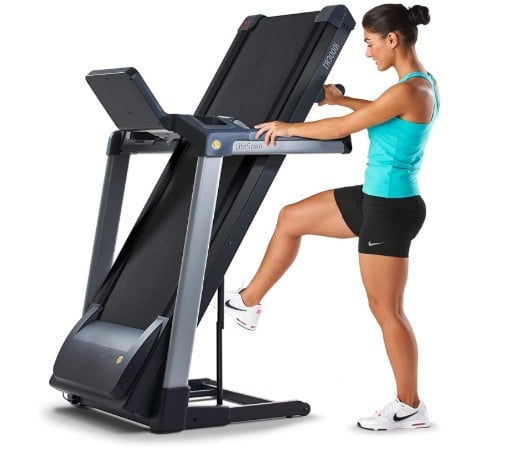
The LifeSpan TR3000i incorporates Intelli-Guard safety system alongside effective shock absorption technology. The cushioned deck reduces impact while maintaining durability for long-term use. This treadmill features a 2.75 CHP motor that handles speeds up to 11 mph, making it ideal for walking and moderate running. The compact design fits well in home environments, while the console tracks essential workout metrics. The machine emphasizes reliability and joint protection over high-tech features, making it perfect for users prioritizing comfort and durability.
Pros:
- Reliable shock absorption system
- Compact design suitable for smaller spaces
- Intelli-Guard safety features
- Solid build quality and warranty
Cons:
- Less powerful motor than competitors
- Basic console and limited programs
- Lower maximum speed limit
Buying Guide for Shock Absorbing Treadmills
Cushioning Technology Types
Different shock absorbing treadmills use various cushioning technologies to reduce impact. Pneumatic systems use air chambers that compress and release with each footstrike, providing consistent shock absorption. Flexible deck systems feature materials like rubber or specialized composites that flex under pressure. Multi-zone cushioning offers different firmness levels across the running surface, optimizing both comfort and performance. Understanding these technologies helps you choose the system that best matches your specific needs and running style.
Motor Power and Performance
The motor significantly impacts your treadmill's shock absorption effectiveness. More powerful motors maintain consistent belt speed even under varying loads, which helps preserve the cushioning system's integrity. Look for continuous horsepower (CHP) ratings rather than peak horsepower, as CHP indicates sustained performance. A minimum of 2.5 CHP works for walking and light jogging, while serious runners should consider 3.0 CHP or higher. Proper motor power ensures your shock absorption system functions optimally throughout your workout.
Running Surface Dimensions
Adequate running surface size enhances the benefits of shock absorption by allowing natural stride patterns. Standard dimensions of 20" x 55" work for most users, but taller individuals or serious runners benefit from 22" x 60" surfaces. Wider belts accommodate natural arm swing and side-to-side movement, while longer belts support full stride extension. Proper surface dimensions prevent shortened strides that can actually increase joint stress despite having shock absorption.
Weight Capacity and Durability
Higher weight capacity typically indicates stronger construction that maintains shock absorption effectiveness over time. Even if you don't approach the maximum weight limit, choosing a treadmill with higher capacity ensures the cushioning system won't deteriorate quickly. Look for models with steel frames and quality deck construction. Lifetime warranties on frames and motors often indicate manufacturers' confidence in their shock absorption systems' longevity.
Best Shock Absorbing Treadmill - Related Topics
Treadmill Deck Maintenance for Optimal Shock Absorption
Proper deck maintenance directly affects your treadmill's shock absorption capabilities. Regular lubrication keeps the belt moving smoothly, reducing stress on cushioning components. Clean the deck surface weekly to prevent debris accumulation that can create uneven pressure points. Check belt tension monthly, as loose belts reduce shock absorption effectiveness while overly tight belts strain the motor and cushioning system. Replace worn belts promptly to maintain optimal joint protection.
Comparing Treadmill vs. Outdoor Running Impact
Shock absorbing treadmills typically reduce joint impact by 15-40% compared to concrete or asphalt surfaces. The moving belt creates a more natural foot strike pattern than stationary surfaces, while cushioning systems absorb much of the impact force. However, outdoor running on softer surfaces like trails or tracks can provide similar benefits. Understanding these differences helps you choose between outdoor running and investing in quality shock absorption technology for home use.
Joint Health Benefits of Shock Absorbing Exercise
Regular use of shock absorbing treadmills can significantly improve joint health outcomes. Reduced impact stress allows for longer exercise sessions, promoting better cardiovascular fitness without excessive joint wear. The consistent cushioning helps maintain proper running form, preventing compensatory movements that can lead to injury. Studies show that low-impact exercise on quality shock absorbing equipment can help manage arthritis symptoms and support joint mobility in aging adults.
Rehabilitation and Recovery Applications
Physical therapists often recommend shock absorbing treadmills for rehabilitation programs. The controlled environment allows precise speed and incline adjustments while minimizing joint stress. Patients recovering from knee, hip, or ankle injuries can gradually increase intensity without the unpredictable impact of outdoor surfaces. The consistent shock absorption helps rebuild strength and endurance while protecting healing tissues from excessive stress.
Technology Integration in Modern Shock Absorbing Treadmills
Advanced shock absorbing treadmills now incorporate smart technology to optimize cushioning based on user data. Some models adjust firmness automatically based on your running style, weight, and speed. Heart rate monitoring can trigger cushioning changes to support recovery intervals or high-intensity segments. Integration with fitness apps allows tracking of how shock absorption affects your workout performance and recovery metrics over time.
Best Shock Absorbing Treadmill - FAQ
How much impact reduction can I expect from a shock absorbing treadmill?
Quality shock absorbing treadmills typically reduce impact by 15-40% compared to running on concrete or asphalt. The exact reduction depends on the cushioning technology, your body weight, running speed, and footstrike pattern. Multi-zone systems often provide the highest impact reduction, while basic cushioned decks offer moderate protection. Most users notice immediate comfort improvements, with reduced joint soreness after workouts being the most common benefit reported.
Do shock absorbing treadmills require special maintenance?
Shock absorbing treadmills need regular maintenance to preserve their cushioning effectiveness. Lubricate the deck according to manufacturer recommendations, typically every 3-6 months for home use. Keep the belt properly tensioned and clean the running surface regularly. Inspect cushioning components annually for wear or damage. Some pneumatic systems may require occasional pressure adjustments, while flexible deck systems should be checked for cracks or separation that could reduce shock absorption.
Are shock absorbing treadmills worth the extra cost?
For most users, especially those with joint concerns or who plan regular treadmill use, shock absorbing models justify their higher cost through improved comfort and injury prevention. The investment becomes particularly valuable if you're transitioning from outdoor running due to joint issues or want to extend your running career. Consider your workout frequency, existing joint health, and long-term fitness goals when evaluating the cost-benefit ratio of advanced shock absorption features.
Can shock absorbing treadmills help with existing joint problems?
Many users with arthritis, previous injuries, or chronic joint pain find significant relief using quality shock absorbing treadmills. The reduced impact allows continued cardiovascular exercise while minimizing joint stress. However, consult with your healthcare provider before starting any new exercise program, especially if you have existing joint conditions. They can provide guidance on appropriate intensity levels and help determine if shock absorbing treadmill exercise suits your specific situation.
How do I know if my treadmill's shock absorption is working properly?
Effective shock absorption should provide noticeable comfort compared to hard surfaces, with reduced joint impact and vibration. You should feel a slight "give" in the deck without excessive bouncing or instability. Listen for consistent, quiet operation without unusual noises that might indicate cushioning system problems. Compare how your joints feel after treadmill workouts versus outdoor running on hard surfaces. If you notice increased soreness or the deck feels overly firm, your shock absorption system may need maintenance or replacement.
Making Your Final Decision
Choosing the Best Shock Absorbing Treadmill requires balancing your budget, space constraints, and specific cushioning needs. The models reviewed here represent excellent options across different price ranges, each offering proven shock absorption technology. Consider your primary use case, whether it's rehabilitation, general fitness, or serious training, to guide your selection.
Remember that proper shock absorption is an investment in your long-term joint health and exercise enjoyment. While basic models offer some impact reduction, premium cushioning systems provide superior comfort and durability. Take time to test different options if possible, paying attention to how each system feels during your typical workout intensity and duration.