The correct pickleball paddle may change your game. You can acquire a high-performance paddle without breaking the bank. We've selected the Best Pickleball Paddles Under $80 for all skill levels. Build quality, playability, comfort, and durability were meticulously assessed for each paddle. Find something that matches your playing style and improves your game, whether you're a novice or upgrading on a budget.
Our detailed purchasing guide explains the main qualities that make a paddle stand out and answers typical pickleball paddle questions. We want to provide you all the information you need to make an educated choice, whether you're starting off or improving. You may improve your performance, confidence, and enjoyment of the game with the correct paddle.
Top 10 Pickleball Paddles Under $80
Image | Name | Key Feature | Ratings | Price |
|---|---|---|---|---|
 |
| (530 Reviews) | ||
 |
| (1159 Reviews) | ||
 |
| (541 Reviews) | ||
 |
| (928 Reviews) | ||
 |
| (316 Reviews) | ||
 |
| (935 Reviews) | ||
 |
| (1053 Reviews) | ||
 |
| (5418 Reviews) | ||
 |
| (1129 Reviews) | ||
 |
| (1778 Reviews) |
Best Pickleball Paddles Under $80 Reviews
Selkirk NEO Composite Pickleball Paddle
No products found.
The Selkirk NEO Composite Pickleball Paddle is ideal for players seeking strength and control. This paddle's polymer honeycomb core and fiberglass face provide excellent responsiveness. Its lightweight design makes it simple to use for fast shots and precise placement.
The ergonomic grip reduces strain and keeps you solid on the paddle throughout extended bouts. For players who desire a solid, affordable paddle, the paddle's durability is ideal. The Selkirk NEO's power-control balance lets players adapt to different styles of play, making it flexible on the court.
Pros:
Light and controllable
Handle comfort
Ideal for beginners and intermediates
Durable structure for long usage
Cons:
May lack strength for expert players.
Larger hands may not fit grip size.
Lacks sophisticated features of higher-end paddles
Gamma Fusion 2.0 Pickleball Paddle
No products found.
The Gamma Fusion 2.0 Pickleball Paddle is great for spin and consistency. Its rough fiberglass face improves control and spin. Honeycomb material makes the paddle's core sturdy enough for vigorous gaming. The Fusion 2.0's cushioned grip improves comfort and control, keeping you confident even in tough rallies.
With its well-balanced weight distribution, the paddle is comfortable to grip and lets players make rapid, precise strokes without feeling bogged down. This affordable choice is suitable for practice and competitive matches because to its high-quality construction.
Pros:
Face texture improves spin.
Comfortable cushioned grip
Durable honeycomb core for reliability
Balanced weight for better handling
Cons:
The paddle is somewhat heavier than others.
Not appropriate for lightweight paddlers.
Frequent usage may wear the textured face.
ONIX Z5 Graphite Pickleball Paddle
No products found.
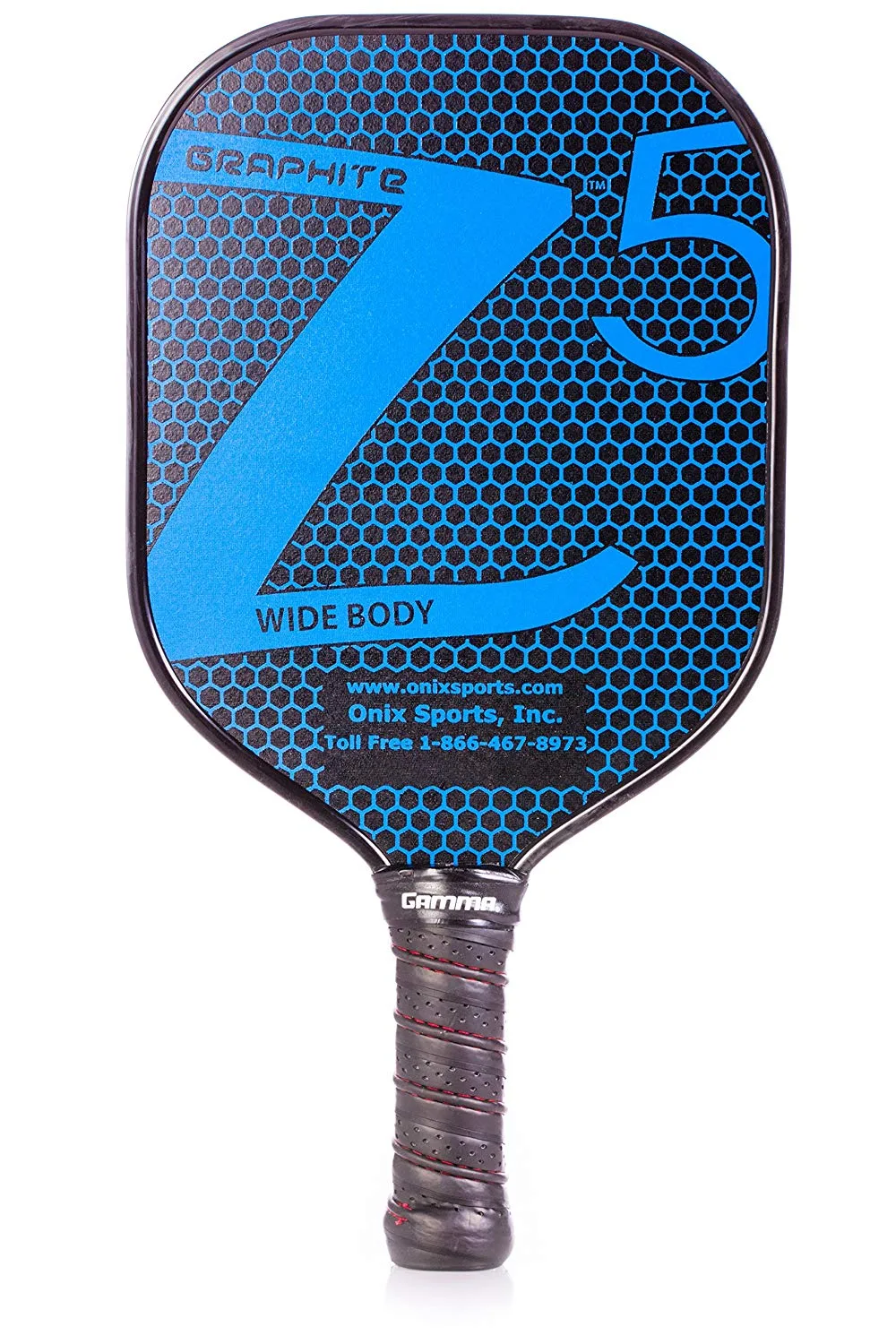
The flexible ONIX Z5 Graphite Pickleball Paddle is powerful and precise. With a graphite face and Nomex honeycomb core, this paddle is lightweight and durable. The widebody shape's bigger sweet spot is ideal for players who desire consistent power without losing accuracy.
Intermediate players who wish to develop like the paddle's grip and balance. Players may effortlessly transition between attacking and defensive play with the Z5's great control. Its design helps responsive and quick-reflex players remain ahead in fast-paced contests.
Pros:
Large sweet spot improves accuracy
Lightweight yet powerful and controlled
Quality materials provide durability.
Excellent offensive and defensive balance
Cons:
May be too strong for novices
Smaller hands may not fit grip size.
Less forgiving for sluggish reacting players
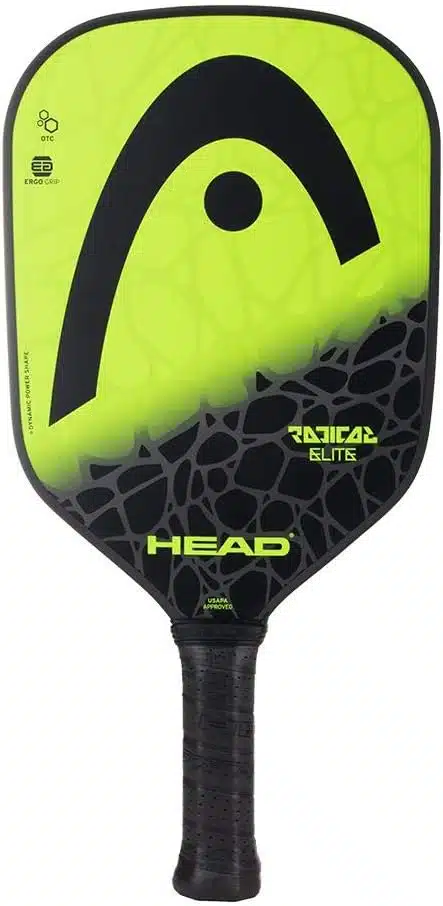
HEAD Radical Elite Pickleball Paddle
No products found.
The HEAD Radical Elite Pickleball Paddle is perfect for beginners and casual players due to its control and durability. Polypropylene honeycomb core and fiberglass face give the paddle a gentle, controlled feel. It helps players stay precise without compromising comfort.
The grip is padded and absorbs perspiration, making it ideal for hot weather and extended bouts. Playable and affordable, the Radical Elite is meant to last. Its forgiving nature helps novices learn the fundamentals and gain confidence, while its durability lets it survive through many practice sessions and games.
Pros:
Improved control with fiberglass face
Grip absorbs sweat
Ideal for beginners and casuals
Forgiving and durable for reliable performance
Cons:
Other paddles are stronger.
A heavier feel may not suit everyone.
Limited features compared to sophisticated paddles
Franklin Sports X40 Performance Paddle
No products found.
Franklin Sports X40 Performance Paddles are well-balanced and sturdy. A fiberglass surface gives the X40 great spin, while the polypropylene core stabilizes and eliminates vibrations. Players seeking control and consistent shots should use this paddle.
Its ergonomic grip lets you play for hours without weariness. Players seeking control, comfort, and spin should play the X40. The paddle's structure makes it sturdy and reliable even after long usage. Its attributes make it ideal for intermediate players seeking a durable, all-around paddle.
Pros:
Fiberglass surface improves spin control
Comfortable grip for long play
Design balances power and control
Durable construction for longevity
Cons:
Less durable than premium paddles
It may not fit advanced players seeking greater strength.
Lacks advanced features experienced players may like.
Best Pickleball Paddles Under $80 - Buying Guide
Weight
Control, power, and maneuverability depend on pickleball paddle weight. Lighter paddles (6.77.3 ounces) are easier to manage and respond to, while bigger paddles (above 8 ounces) provide greater force. A midweight paddle (7.38.4 ounces) balances power and control for novices. Choose a paddle that suits your strength and playstyle. Consider if you want a quicker swing speed or greater stability when choosing a paddle weight.
Materials
Pickleball paddles are usually wood, composite, or graphite. Heavy yet cheap wooden paddles are suitable for beginners. Composite paddles are lighter and more controllable, whereas graphite paddles are lighter and more responsive. Knowing these materials might help you choose a paddle. Composite paddles are versatile, whereas graphite paddles are fast and agile.
Grip Size
Paddle comfort depends on grip size. Paddle grip circumferences average 4–4.5 inches. Tennis elbow may be avoided and control improved by choosing the correct grip size. If you're undecided, opt for a lower grip size that you can expand with an overgrip. A correctly designed grip improves comfort and precision, letting you stay on track during hectic rallies.
Paddle Shape
Standard, extended, and widebody pickleball paddles exist. Singles players benefit from extended paddles' reach, while standard paddles are balanced. Widebody paddles are easier for novices due to their broader sweet spot. Your preferred gaming style will help you choose a form. Elongated paddles are good for covering more land, whereas widebody paddles are good for stability and consistency.
Core Material
Pickleball paddle cores are usually polymer, Nomex, or metal. Most cores are polymer and soft to touch and play quietly. Nomex cores are tougher and stronger, whereas aluminum cores are more controllable but less durable. The proper core material depends on your priorities: power, control, or balance. Players who desire control and comfort choose polymer cores, while those who want aggressive shots and strong drives prefer Nomex cores.
Edge Guard
The paddle is protected and lasts longer with the edge protector. Players choose paddles without edge guards for greater control and a broader playing area, while others like the durability. Consider your playing frequency and paddle wear and tear when choosing whether an edge guard is required. An edge protector may increase the life of your paddle if you play outside or strike the ground repeatedly.
Price vs. Performance
Price and performance must be balanced when buying a pickleball paddle. You can get good paddles around $80, but higher-end paddles have greater build quality and features that enhance your game. Choose the right paddle according on your skill level and budget. Higher-priced paddles generally have superior grip technology and weight distribution, which may increase your game performance.
For beginners and recreational players, a mid-range paddle often provides enough control, comfort, and durability without overspending. Competitive players may find that investing in a premium paddle offers better consistency, a larger sweet spot, and materials designed to maintain performance over time..
Best Pickleball Paddles Under 80 Dollars: FAQs
A good paddle doesn't have to cost a fortune. Many budget paddles now offer solid control, decent power, and comfortable grips. The key is knowing which features matter for your game. These answers cover weight, materials, grip size, and arm comfort so you can shop with confidence.
What's the optimal pickleball paddle weight?
The best paddle weight depends on your playing style, strength, and what feels comfortable in your hand. No single weight is "correct." Each range has clear strengths and tradeoffs.
Here's a quick breakdown:
- Lightweight (6.7–7.3 ounces): Best for fast hands, quick reactions at the kitchen line, and precise touch shots like dinks and drops. These paddles are easy to swing, so they suit newer players, players with smaller frames, and anyone who values control over raw pace.
- Midweight (7.3–8.4 ounces): The most popular range for good reason. You get a blend of control and power without much fatigue. Most players under $80 will find their sweet spot here.
- Heavyweight (8.4 ounces and up): Built for power and stability. The extra mass drives the ball deep with less effort, but your arm and shoulder may tire during long matches or tournament days.
Practical tips for choosing:
- Think about your favorite shots. If you love soft dinks and quick volleys, lean lighter. If you like driving the ball from the baseline, lean heavier.
- Consider how long you play. If you play two or three hours at a time, a slightly lighter paddle can keep your arm fresh late in the session.
- Demo before you buy when possible. Many clubs and community courts have loaner paddles. Even 15 minutes of play tells you more than any spec sheet.
- Fine-tune with lead tape. Lead tape is a cheap way to add weight to a light paddle. Adding a small strip at the 3 and 9 o'clock positions can boost stability and power without much cost.
For budget shoppers, start in the midweight range. It's the most forgiving choice while you figure out what your game needs.
What distinguishes composite and graphite paddles?
The main difference is how the paddle face feels and responds when it meets the ball. In general, fiberglass composite faces give you more "pop" and power, while graphite faces give you more feel and control.
Composite (fiberglass) paddles:
- Use a fiberglass face over a polymer core in most cases.
- Have a slightly springier surface that adds power to your shots.
- Are often a bit heavier, which adds stability and drive.
- Tend to have a forgiving feel, so off-center hits still travel well.
- Work well for beginners and intermediate players who want easy power.
Graphite (and carbon fiber) paddles:
- Use a thin, stiff face that's typically lighter than fiberglass.
- Offer a crisp, responsive feel that helps with placement and soft shots.
- Excel at dinks, drops, resets, and quick volleys at the net.
- Often have textured surfaces that help you add spin to serves and drives.
- Appeal to intermediate and advanced players who want precision.
What this means for your budget: A few years ago, graphite paddles cost far more than fiberglass ones. Today, you can find quality graphite and carbon-faced paddles well under $80. That gives you more choice than ever.
How to decide:
- If you struggle to hit the ball deep or want extra power with less effort, try a fiberglass composite paddle.
- If you hit hard enough already but miss your soft shots, try graphite.
- If you're unsure, pick graphite with a midweight build. It's a well-rounded option that grows with your skills.
Don't forget the core, either. Most budget paddles use a polymer honeycomb core. A thicker core (around 16mm) usually feels softer and more controlled. A thinner core (around 13mm) usually feels livelier and more powerful.
How do I determine a paddle grip size?
The right grip size keeps your hand relaxed, improves control, and lowers your risk of arm strain. Most paddle grips measure between 4 and 4.5 inches in circumference, and you can find your size with a simple ruler test.
How to measure your hand:
- Open your dominant hand with your fingers held together.
- Find the second major crease across your palm (the middle palm line).
- Measure from that crease to the tip of your ring finger.
- That measurement in inches is a good starting point for your grip size.
General size guide by height (a rough backup method):
- Under 5'2": about 4 inches
- 5'3" to 5'8": about 4.25 inches
- Over 5'8": about 4.5 inches
Signs your grip is too small:
- You squeeze hard to keep the paddle from twisting.
- Your fingers overlap your palm a lot when you hold it.
- Your forearm feels tight after play.
Signs your grip is too large:
- You can't easily switch between forehand and backhand.
- Your wrist feels stiff on quick volleys.
- You have trouble adding spin or touch.
When in doubt, go smaller. You can build up a small grip with an overgrip for just a few dollars. A grip that's too big is much harder to fix. Overgrips also add cushion and absorb sweat, which helps during hot summer matches.
A well-fitted grip lets you hold the paddle with light pressure. That relaxed hold gives you better feel on soft shots and helps protect your elbow during long rallies.
Are heavier paddles better for power?
Yes, heavier paddles generally produce more power. A paddle over 8 ounces carries more mass through the ball, so your shots travel faster and deeper with less effort. However, power isn't free. You trade some speed, control, and comfort to get it.
Benefits of a heavier paddle:
- More drive on serves, returns, and groundstrokes.
- Greater stability when blocking hard shots from opponents.
- Less twisting on off-center hits.
- Some players find it absorbs shock better, which can feel smoother.
Drawbacks to consider:
- Slower hand speed during quick exchanges at the net.
- More fatigue in your wrist, elbow, and shoulder over long sessions.
- Less margin for error on soft touch shots.
Other factors that affect power:
- Core thickness: Thinner cores (around 13mm) tend to feel more powerful than thicker ones.
- Paddle shape: Elongated paddles add reach and leverage for stronger swings.
- Face material: Fiberglass faces add extra pop compared with graphite.
- Technique: A smooth swing with good footwork and hip rotation often adds more power than extra ounces.
Who should choose a heavier paddle? Players with strong arms, a baseline-focused game, and no joint issues may love the extra punch. If you play long sessions, prioritize control, or have any arm pain, a midweight paddle is usually the smarter choice. You can always add lead tape later if you want more power.
Can beginners use a heavy pickleball paddle?
Beginners can use a heavy paddle, but most will improve faster with a midweight option. A paddle in the 7.3–8.4 ounce range gives you a balance of power, control, and maneuverability while you build good habits.
Why midweight works well for new players:
- Easier to swing correctly. A lighter paddle lets you focus on smooth form instead of muscling the ball.
- Faster reactions. Quick exchanges at the kitchen line happen in a split second. A manageable weight helps you keep up.
- Less fatigue. Beginners often play long open-play sessions. A comfortable paddle helps you stay sharp from the first game to the last.
- Lower injury risk. New players often grip too tightly and swing too hard. Pairing those habits with a heavy paddle can strain the elbow and shoulder.
When a heavier paddle might make sense for a beginner:
- You're coming from tennis or another racket sport and already have strong swing mechanics.
- You feel the ball isn't going deep enough, even with good form.
- You prefer a solid, stable feel and don't notice fatigue.
A smart approach: Start with a midweight paddle under $80. Play with it for a few weeks and notice what you want more of. If you crave more power, add lead tape. If you want quicker hands, your next paddle can be a bit lighter. This approach saves money and helps you learn your game first.
What paddle weight is best for players with tennis elbow?
A lightweight or midweight paddle often reduces strain on the elbow, especially when paired with a well-fitted grip and good technique. Many players with tennis elbow find that a paddle around 7.5–8 ounces offers the best mix of comfort and stability.
Here's why the details matter. A very light paddle is easy to swing, but it may transmit more vibration to your arm on hard hits. You might also swing harder to make up for the lost power. A paddle that's too heavy, on the other hand, adds load to your forearm with every shot. The middle ground often feels best.
Features that help protect your elbow:
- Polymer core: Absorbs shock better than harder core materials.
- Thicker core (around 16mm): Feels softer and dampens vibration.
- Correct grip size: A grip that's too small forces you to squeeze harder, which is a common cause of elbow pain.
- Cushioned overgrip: Adds comfort and reduces vibration for very little money.
- Larger sweet spot: Fewer mishits mean less jarring impact on your arm.
Habits that reduce elbow strain:
- Hold the paddle with a relaxed grip, about a 3 or 4 on a 10-point scale.
- Generate power from your legs, hips, and shoulders instead of your wrist.
- Warm up your forearms and shoulders before every session.
- Take rest days when you feel soreness building.
- Consider a compression strap or brace during play if your symptoms flare up.
If your elbow pain lasts or gets worse, talk with a doctor or physical therapist. They can help you find the cause and suggest exercises to strengthen your forearm. The right paddle helps, but it works best as part of a smart overall plan.
Still deciding? Start with a midweight graphite or fiberglass paddle, a grip that fits your hand, and a cushioned overgrip. That combination suits most beginner and intermediate players, and plenty of great options fit comfortably under $80.
Are widebody paddles better for beginners?
Beginners often choose widebody paddles because to their broader sweet spot. This makes it simpler to strike the ball properly even if you miss the paddle center. Greater sweet spot means more forgiving shots, which may boost novices' confidence while learning the game. The widebody form has exceptional balance, making it useful for young players developing their style. The additional control and stability will let beginners concentrate on the basics without stressing about perfection
Conclusion
Find the finest pickleball paddle under $80 easily. You can pick a paddle that improves your game on a budget by evaluating weight, material, grip size, and core. This article reviews paddles that are affordable and versatile for various playing styles. Choose one that suits you and enjoy pickleball! The appropriate paddle may improve your abilities, make playing more enjoyable, and help you compete with friends. Practice and the correct gear make you a better player.