Maintaining an active lifestyle is one of the cornerstones of health and longevity, especially for elderly individuals. However, mobility and access can be challenges as one ages, limiting opportunities for exercise.This is where walking pads come into play. Compact, easy-to-use, and perfect for low-impact workouts, walking pads allow older adults to stay fit from the comfort of home.
With countless options in the market, choosing the best walking pad for elderly users requires careful consideration.This blog provides expert analysis, reviews the Best Walking Pads for Elderly specifically suitable for seniors, includes a detailed buying guide, explores related topics, and answers frequently asked questions, ensuring you have all the information needed for an informed purchase.
Top 10 Best Walking Pad for Elderly
Image | Name | Key Feature | Ratings | Price |
|---|---|---|---|---|
 |
| (235 Reviews) | ||
 |
| (70 Reviews) | ||
 |
| (153 Reviews) | ||
 |
| (19 Reviews) | ||
 |
| (22 Reviews) | ||
 |
| (24 Reviews) | ||
 |
| (139 Reviews) | ||
 |
| |||
 |
| (75 Reviews) | ||
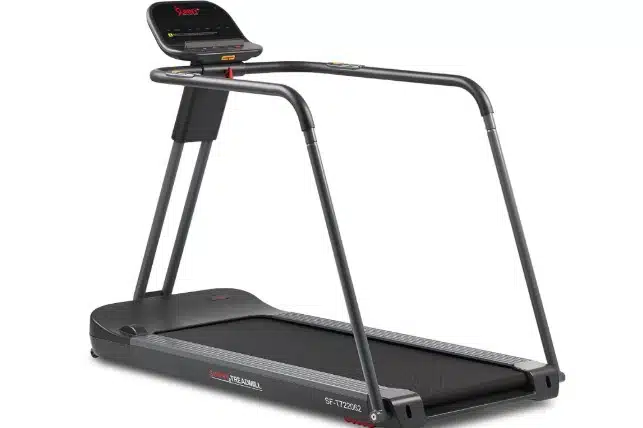 |
| (835 Reviews) |
Best Walking Pad for Elderly Reviews
Finding the right walking pad is essential to cater to the specific needs of seniors. Below, we present five carefully chosen walking pads from Amazon’s best-seller list, reviewing their functionality and design while weighing the pros and cons.
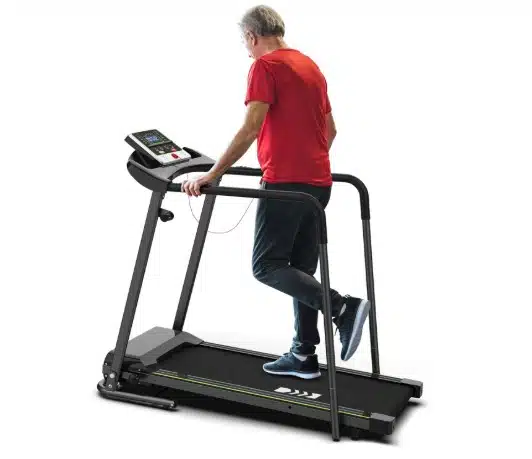
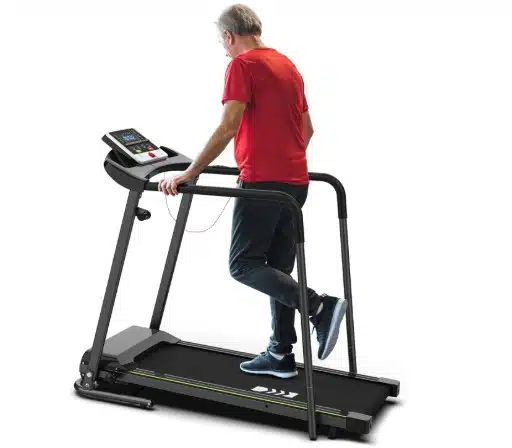
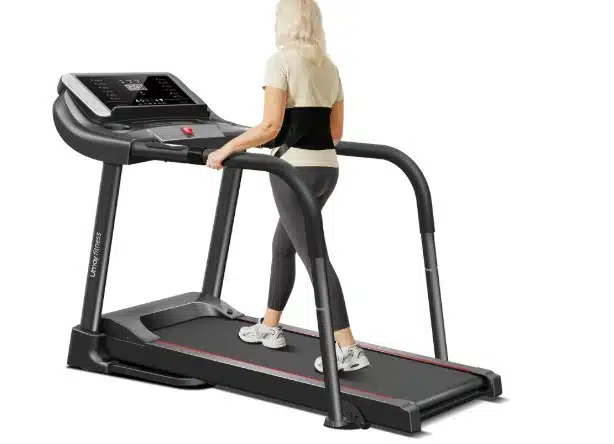
The Redliro Walking Treadmill is designed for seniors, individuals in recovery, and those prioritizing stability. Supporting up to 300 lbs, it offers safety features like extended multi-grip handrails, a safety key mechanism, and a shock-absorbing six-layer running belt to reduce joint impact. The treadmill includes a backlit LCD display for tracking metrics, 12 preset modes, and large buttons for ease of use. Its quiet 2.25-peak horsepower motor provides speeds from 0.5 to 5.5 mph in 0.1 mph increments. With removable armrests, foldable design, and transport wheels, it easily integrates into any home.
Pros:
- Supports up to 300 lbs, accommodating a wide range of users.
- Equipped with extended multi-grip handrails for added safety.
- Features a shock-absorbing six-layer running belt to minimize joint impact.
- Offers 12 preset modes and an easy-to-read backlit LCD display for tracking progress.
- Quiet 2.25-peak horsepower motor ensures a smooth and silent workout experience.
- Foldable design with transport wheels simplifies storage and portability.
- Removable armrests provide flexibility to suit different user preferences.
Cons:
- Maximum speed of 5.5 mph may not meet the needs of advanced runners.
- Basic design may lack the aesthetic appeal of higher-end treadmills.
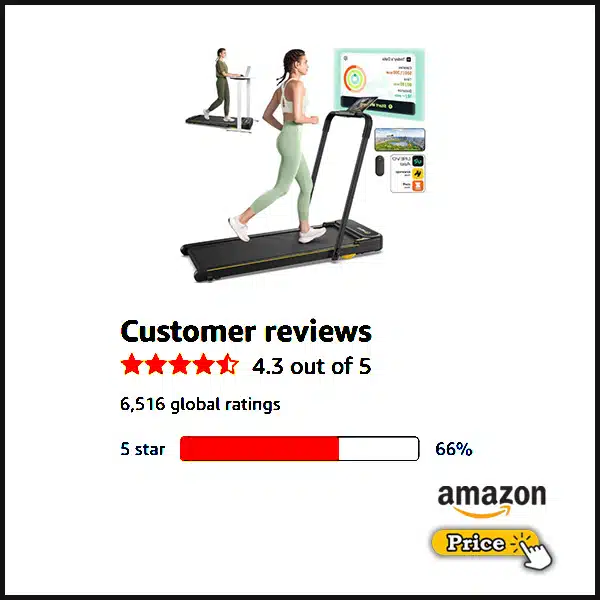
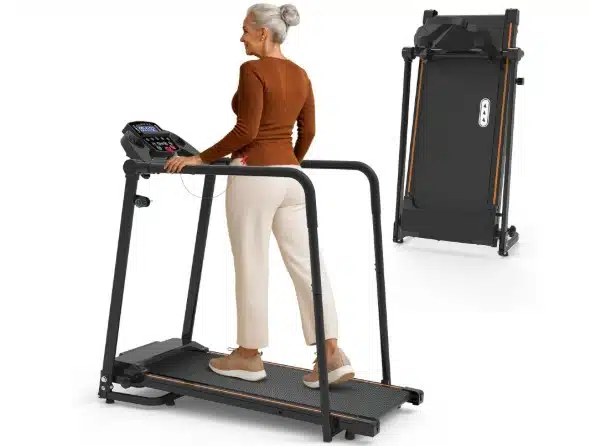
The UREVO 2-in-1 Under Desk Treadmill is a compact yet versatile walking pad perfect for elderly users. Designed with dual functionality, it serves both as a walking pad and a treadmill for light jogging. With a maximum speed of 7.6 mph and a quiet motor, this walking pad is ideal for seniors seeking a peaceful workout environment. Additionally, its non-slip running track and foldable design make it safe and space-efficient.
Pros
- 2-in-1 design supports walking and jogging
- Compact and foldable for easy storage
- Quiet motor suitable for home use
- Non-slip surface enhances safety
Cons
- Small LCD screen for tracking progress
- Handlebar might not be as sturdy for support
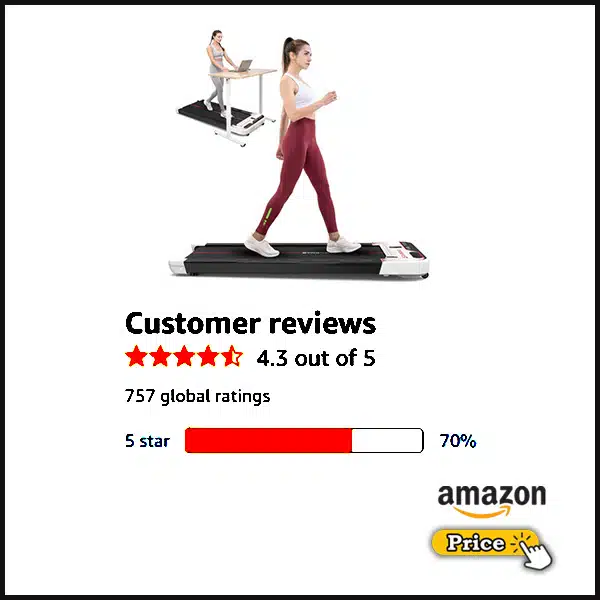
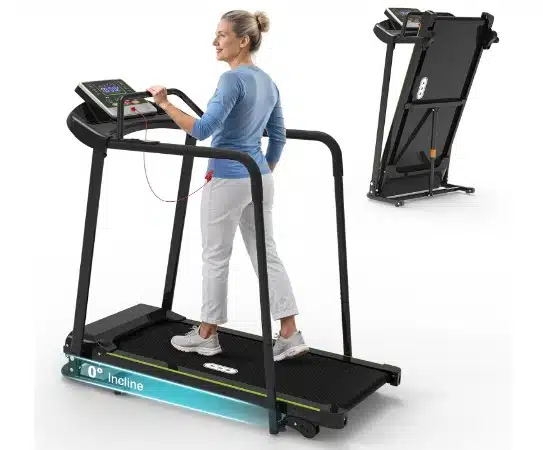
With a focus on simplicity and user-friendliness, the CITYSPORTS Walking Pad Treadmill is an excellent option for elderly individuals. Its ultra-slim design fits seamlessly in smaller spaces, while the LED display tracks speed, time, and steps clearly. The walking pad operates at low noise, ensuring minimal disruption at home, and its remote control makes adjustments easy, even for those with limited mobility.
Pros
- Lightweight and easy to move
- Ultra-quiet motor for noise-sensitive environments
- User-friendly LED display
- Supports up to 240 lbs.
Cons
- Limited speed range (0.6-4 mph) for moderate workouts
- Slightly narrow walking surface

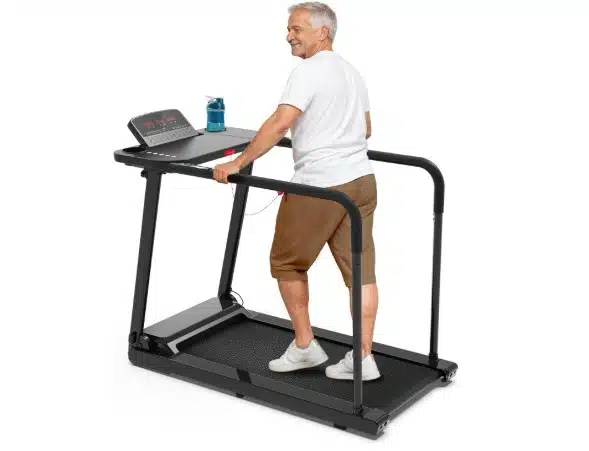
Supporting steady, low-impact exercise routines, the REDLIRO Under Desk Treadmill is crafted with senior users in mind. Its six-shock absorption mechanism keeps joint stress to a minimum, making it a go-to choice for elderly users with sensitive knees. The treadmill also offers multiple speed settings, features a clear display, and folds neatly for space saving, catering entirely to a senior-friendly lifestyle.
Pros
- Exceptional joint protection with shock absorption
- Compact, foldable design
- Easy-to-operate remote control
- Sturdy build with a weight limit support of up to 220 lbs.
Cons
- Lack of handrails may be a concern
- Slightly challenging assembly
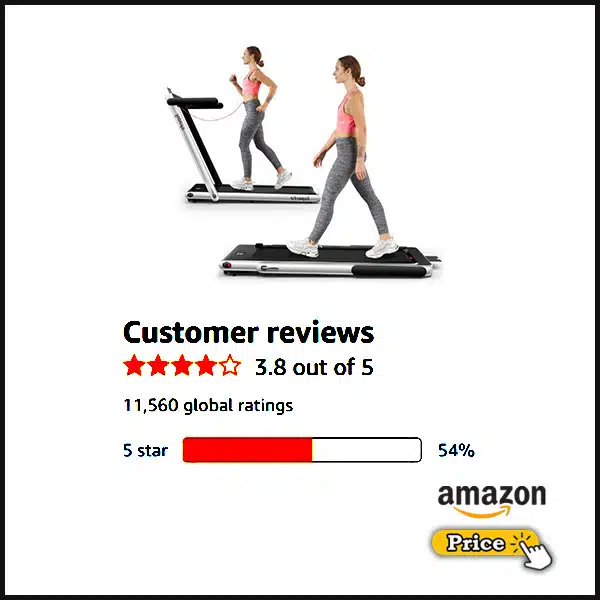
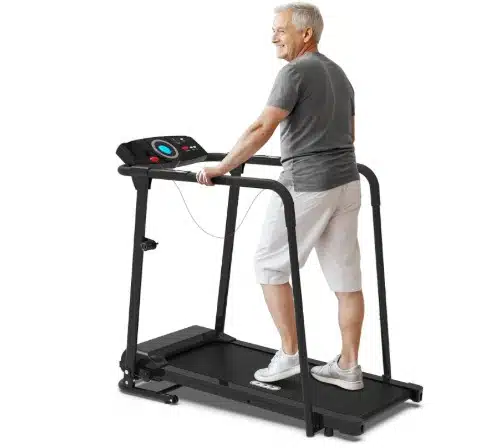
The Goplus Walking Treadmill combines stability with functionality, equipped with adjustable handrails to provide additional support for elderly users. The expansive LCD display allows for seamless monitoring of distance, calories burned, and time, while the walking pad's quiet motor ensures a distraction-free setting for workouts. This model is also highly portable, as it comes with transport wheels.
Pros
- Handrails provide added stability
- Large and easy-to-read LCD panel
- Quiet motor for home use
- Portable design with transport wheels
Cons
- Bulkier than other models
- Handrails may not fold for storage

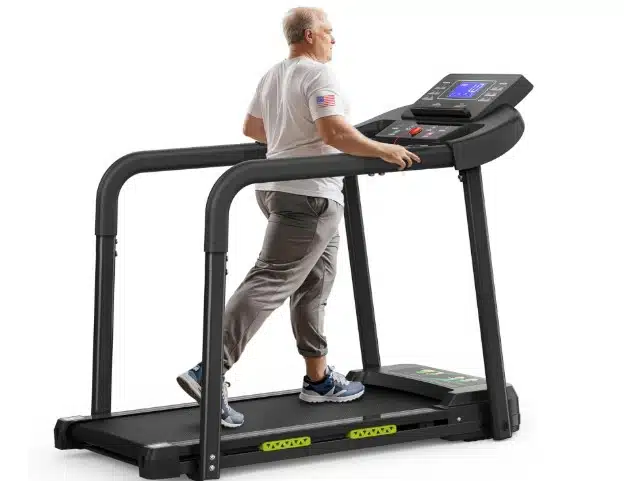
For seniors looking to invest in a premium walking pad, the LifeSpan TR1200-DT3 delivers on quality and features. This walking pad prioritizes durability and user comfort with its shock-absorbing six compression shocks. It features a smart console to track key health metrics, making it perfect for those wanting a data-driven experience.
Pros
- Superior shock absorption for comfort
- Durable construction with high weight capacity
- Comprehensive health metric tracking
- Ideal for long-duration use
Cons
- Expensive compared to other walking pads
- Non-foldable base requires dedicated space
Buying Guide for the Best Walking Pad for Elderly Users
Purchasing the best walking pad for elderly individuals involves careful consideration to ensure safety, comfort, and effectiveness. Walking pads are an excellent way for seniors to stay active indoors, especially during inclement weather or for those with limited mobility. To select the most suitable walking pad, focus on the following essential features:
1. Safety Features
Safety is the top priority for elderly users. Look for walking pads equipped with handrails to provide extra stability, anti-slip surfaces to prevent accidental slipping, and safety stop keys that allow for an immediate halt in emergencies. These features are especially important for seniors who may have balance issues or are new to using walking pads. Additionally, some models offer side safety guards or rails to further enhance user confidence.
2. Low-Speed Options
A wide low-speed range is crucial for seniors’ comfort and safety. Walking pads with speeds ranging from 0.6 to 3 mph are ideal, as they allow elderly individuals to walk at their own comfortable pace without feeling rushed. Gradual speed adjustments are also helpful for users who may want to increase their pace over time as their fitness improves.
3. Cushioning and Shock Absorption
Walking pads with advanced shock absorption and cushioning systems help to reduce the impact on joints, making them suitable for seniors with arthritis, joint pain, or other mobility concerns. These features minimize the risk of injuries and make walking a more enjoyable experience, even for those with fragile or aging joints. Ensure the walking pad has a high-quality tread belt designed for comfort and support.
4. Ease of Use
User-friendly controls are essential for elderly users. Opt for walking pads with simple, intuitive controls, such as remote operation or large, clearly labeled buttons. Features like preset programs or one-touch speed adjustments can make the device more convenient for seniors to operate independently. Some models also come with instructional videos or manuals tailored to older adults, making setup and use even easier.
5. Portability and Size
Compact, foldable walking pads are ideal for smaller living spaces or homes with limited storage. Choose lightweight yet sturdy models that are easy to move, fold, and store when not in use. Many walking pads also come with built-in wheels for added portability, making it simple to relocate the device to different rooms as needed.
6. Noise Levels
A quiet motor enhances the overall experience by creating a peaceful environment, especially important for elderly users who may live in apartments, shared spaces, or with family members. Quiet walking pads are less disruptive and encourage consistent use without disturbing others.
7. Durability and Weight Capacity
Durability is key to ensuring long-lasting use. Look for walking pads made from high-quality materials that can withstand regular use. Additionally, ensure the weight capacity is suitable for the user—most reliable models support at least 220 lbs. or more. A sturdy, durable walking pad provides peace of mind and ensures safety during workouts.
8. Additional Features
Extra features, such as Bluetooth connectivity, heart rate monitors, or app integration, can make the walking pad more engaging and motivational. For tech-savvy seniors, these features can add variety to their fitness routine and help them track their progress. Some walking pads also include built-in speakers, step counters, or calorie trackers for added functionality.
Best Walking Pad for Elderly - Related Topics
1. Benefits of Staying Active in Old Age
Regular physical activity offers numerous health benefits for seniors, including improved cardiovascular health, increased mobility, better mental well-being, and reduced risk of chronic conditions. Walking pads provide a convenient way to stay active indoors, promoting both physical and emotional health.
2. How to Use a Walking Pad Safely
To ensure safe use, seniors should begin with slow speeds and focus on maintaining proper posture while walking. Keeping the walking pad clean and well-maintained is also important for safety. For those new to walking pads, having a caregiver or family member nearby during the first few uses can build confidence.
3. Low-Impact Workouts for Seniors
In addition to walking pads, seniors can benefit from other low-impact exercises such as yoga, water aerobics, tai chi, or gentle stretching. Incorporating a variety of activities helps improve flexibility, balance, and overall strength.
4. Maintenance Tips for Walking Pads
Extend the lifespan of your walking pad by following simple maintenance tips. Regularly clean the belt to remove dust and debris, ensure proper lubrication to keep the motor running smoothly, and inspect the device for any signs of wear or abnormalities. Refer to the manufacturer’s guidelines for specific care instructions.
5. Exercise Tips for Elderly Beginners
Seniors new to exercise should start slow and gradually increase intensity. Encourage setting realistic goals, staying hydrated, and listening to their bodies to avoid overexertion. Consistency is key—regular light exercise can lead to significant health improvements over time.
6. The Benefits of Walking Pads for Seniors
Walking pads are a convenient and low-impact exercise option for seniors looking to stay active. They provide a safe and controlled way to maintain mobility, improve cardiovascular health, and strengthen muscles without the risks associated with outdoor walking, such as uneven terrain or inclement weather. Using a walking pad regularly can also help enhance balance and coordination, which reduces the risk of falls.
7. How to Choose the Right Walking Pad for Seniors
When selecting a walking pad for elderly users, consider factors such as safety features, ease of use, and comfort. Look for models with non-slip surfaces, sturdy handrails, and remote controls for effortless adjustments. Ensure the walking pad has a wide deck and adjustable speed settings to accommodate different fitness levels and mobility needs.
8. Safe Practices When Using a Walking Pad
Safety is essential when elderly individuals use a walking pad. Place the walking pad on a stable, non-slip surface and clear the surrounding area of any obstacles. Ensure proper footwear is used to prevent slipping, and remind users to start at the lowest speed setting to build confidence and familiarity with the device. Regular supervision or assistance may also be beneficial for those new to walking pads.
9. Tracking Progress and Staying Motivated
Tracking progress can help elderly users stay motivated and achieve their fitness goals. Many walking pads are equipped with digital displays or apps that track steps, distance, and calories burned. Encourage seniors to set achievable milestones, celebrate small wins, and incorporate variety in their walking routines to prevent monotony and maintain enthusiasm for regular exercise.
Best Walking Pad for Elderly - FAQ
1. Are walking pads good for seniors?
Yes, walking pads are a fantastic low-impact solution for seniors who want to stay active. They provide a safe, controlled environment for walking, which makes them ideal on days with bad weather or for individuals with limited mobility, since there is no need to head outdoors. Features like handrails, shock absorption, and low-speed settings make them especially well suited for elderly users, offering both stability and comfort during every session.
2. How often should elderly individuals use a walking pad?
Aiming for at least 30 minutes of light walking three to five days a week is a good guideline. However, this is only a starting point and can be adjusted based on individual health conditions, fitness levels, and personal preferences. Someone who is just getting started, for example, may prefer shorter sessions at first and build up gradually as they feel more comfortable.
3. Can I use a walking pad without supervision?
Most walking pads are safe to use without supervision, but seniors with balance or mobility issues may benefit from initial assistance or supervision while they get used to the machine. Models with handrails and safety clips provide added security for independent use, giving both users and their families greater peace of mind.
4. What is the average lifespan of a walking pad?
With proper care and maintenance, a high-quality walking pad can last 5-7 years or more. Regular cleaning, lubrication, and following the manufacturer's care guidelines can help prolong its lifespan, so it's worth building these simple habits into your routine from the start.
5. Are walking pads better than traditional treadmills for seniors?
Walking pads are often better suited for seniors due to their compact size, ease of storage, and focus on low-impact activity. Traditional treadmills may offer more features, but walking pads are simpler and often more practical for elderly users, especially for those who value straightforward operation and want a machine that fits easily into their living space.
6. Can walking pads help improve balance and mobility for seniors?
Yes, walking pads can be a great tool for seniors to enhance balance and mobility. The steady, low-speed settings make them ideal for practicing consistent movement, which can improve coordination over time. Regular use of a walking pad helps strengthen muscles, promote joint health, and build confidence in movement without the strain of high-impact exercises.
7. Are walking pads safe for seniors with joint pain or arthritis?
Walking pads are designed to provide low-impact exercise, making them a safer option for seniors with joint pain or arthritis. The cushioned surface minimizes stress on knees, hips, and ankles, and the ability to control the speed allows users to walk at a pace that feels comfortable. Seniors should consult their healthcare provider before starting any new exercise routine.
8. Do walking pads take up a lot of space?
No, one of the advantages of walking pads is their compact and foldable design, making them perfect for smaller living spaces. Many models can slide under a bed or be tucked into a corner when not in use, meaning they fit seamlessly into most home environments.
9. How many minutes a day should seniors use a walking pad?
The recommended duration can vary based on individual fitness levels and health conditions, but starting with 15-20 minutes a day at a comfortable pace is a good goal for many seniors. Over time, they can gradually increase the duration as their stamina improves. Consistency is more important than long sessions, so even shorter, daily use can yield health benefits.
10. What features should seniors look for in a walking pad?
Look for walking pads with user-friendly controls, low-speed settings, and built-in safety features like non-slip surfaces or auto-stop mechanisms. Lightweight designs and portability can also make a big difference, as well as clear, easy-to-read displays for tracking progress. Models with remote controls or app compatibility can simplify operation further.
Choose the Perfect Walking Pad and Step Towards a Healthier Life
Walking pads can be a game-changer for seniors looking to maintain an active lifestyle. By choosing the right model that prioritizes safety, comfort, and ease of use, elderly individuals can enjoy the many health benefits of regular walking. Whether for yourself or a loved one, investing in a high-quality walking pad is a step towards better health and happiness. Explore the top-rated options today and take the first step towards a healthier, more active life—one step at a time!